
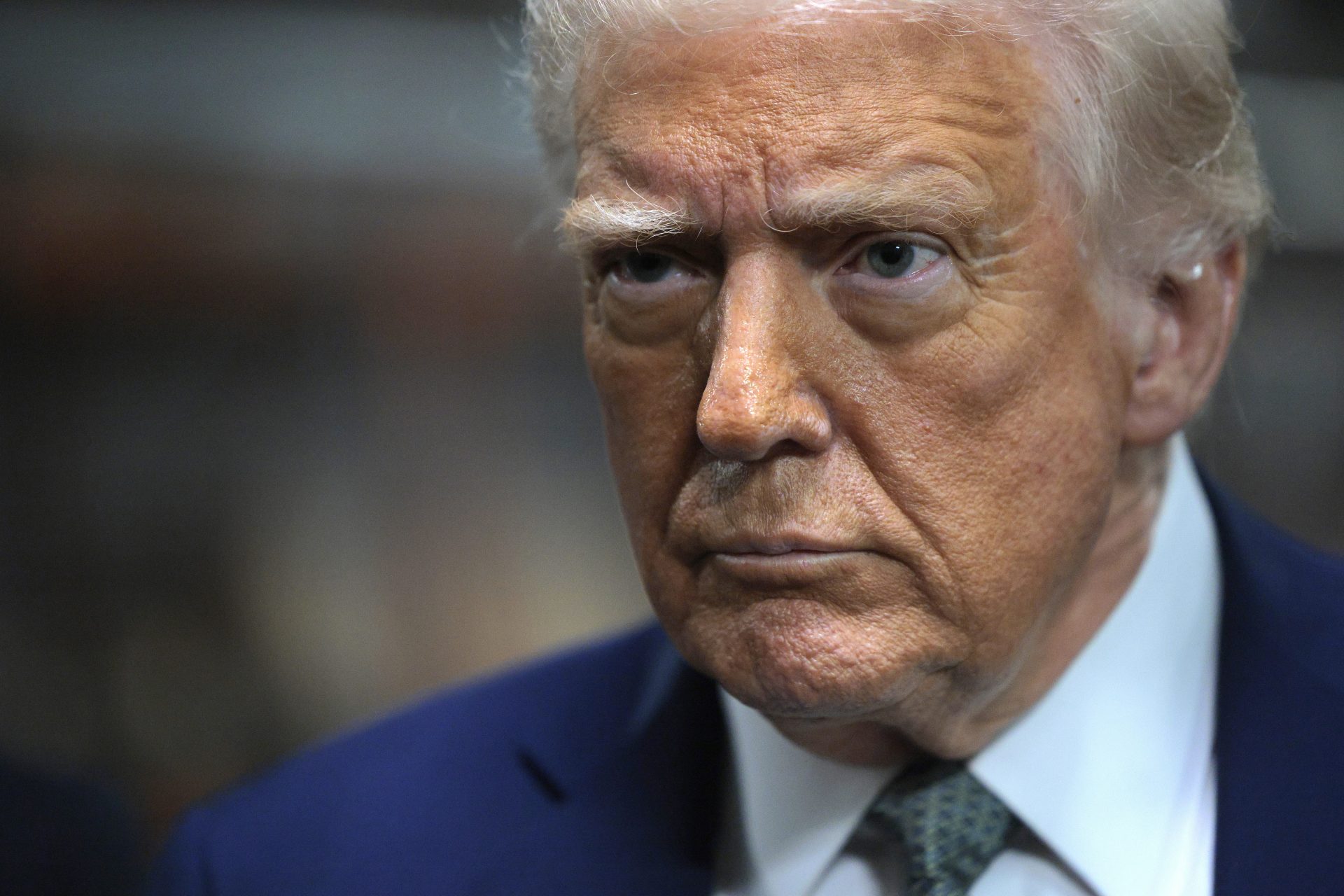
Decoding Trump’s Second Term: 5 Policy Shifts to Watch
The political landscape is constantly shifting, and as we look towards potential future presidencies, understanding the policy priorities of leading figures is crucial. If Donald Trump were to secure a second term, what might the key policy shifts look like? Deciphering these potential changes requires a close examination of his past actions, stated intentions, and the evolving global and domestic context. This post aims to decode five significant policy areas where a second Trump administration could see notable shifts.
1. Trade and Tariffs: A Reshaped Global Economic Order?
One of the defining features of Trump’s first term was his assertive approach to trade, often characterized by the imposition of tariffs. A second term would likely see a continuation, and perhaps even an escalation, of these policies.
Key Areas to Monitor:
- “America First” Trade Negotiations: Expect a continued emphasis on bilateral trade deals designed to favor U.S. interests, potentially leading to renegotiations or outright rejections of existing agreements.
- Tariff Strategy: The use of tariffs as a bargaining chip and a tool to protect domestic industries could be a persistent strategy. This might involve broader application or higher rates on goods from countries perceived as engaging in unfair trade practices.
- Supply Chain Reshoring: There will likely be a renewed push to encourage businesses to bring manufacturing back to the United States, potentially through incentives or further trade barriers on imports.
Understanding these shifts is vital for businesses and consumers alike, as they can impact the cost of goods and the overall flow of international commerce.
2. Immigration: A Continued Focus on Border Security
Immigration policy was a cornerstone of Donald Trump’s previous presidency, and it’s reasonable to anticipate a continued, if not intensified, focus on border security and enforcement in a second term.
Potential Policy Directions:
- Border Wall Construction: The promise of a U.S.-Mexico border wall, a signature campaign pledge, would likely see renewed efforts towards completion.
- Stricter Enforcement: Expect a continuation of policies aimed at increasing deportations, limiting pathways to legal immigration, and potentially implementing more stringent vetting processes for those seeking entry.
- Asylum Policy Adjustments: Changes to the asylum process, potentially including stricter requirements or limitations on who can apply, are also a strong possibility.
These policies have significant implications for individuals seeking to immigrate to the United States, as well as for border communities and the broader national conversation on immigration.
3. Energy and Environment: Deregulation and Domestic Production
Trump’s approach to energy and environmental policy has historically favored deregulation and the expansion of domestic fossil fuel production. This is an area where significant policy shifts could occur.
What to Watch For:
- Rollback of Environmental Regulations: Previous administrations saw a trend of withdrawing from or weakening environmental protections. This could continue with a focus on streamlining regulations to boost industries like oil, gas, and coal.
- Emphasis on Energy Independence: A strong push for maximizing domestic energy production, including increased drilling and exploration, would likely be a priority.
- Climate Change Stance: Reiteration of skepticism towards aggressive climate change mitigation policies and potentially further withdrawal from international climate agreements are probable.
The impact of these shifts could be far-reaching, affecting everything from air and water quality to the nation’s role in global climate efforts.
4. Foreign Policy and Alliances: A Transactional Approach
Donald Trump’s “America First” foreign policy doctrine suggests a more transactional and less multilateral approach to international relations. A second term would likely see a continuation of this philosophy.
Key Foreign Policy Tenets:
- “Deal-Making” Diplomacy: Expect a focus on direct negotiations and bilateral agreements, often with a strong emphasis on perceived immediate benefits for the U.S.
- Re-evaluation of Alliances: Traditional alliances might be scrutinized for their perceived value and cost to the United States, potentially leading to calls for burden-sharing or renegotiation of defense commitments.
- Focus on Specific National Interests: Foreign policy decisions could be heavily driven by what is seen as directly serving American economic and security interests, potentially leading to shifts in established diplomatic relationships.
For global partners and those invested in international stability, understanding these potential realignments in foreign policy is paramount.
5. Domestic Economy and Deregulation: Streamlining for Growth
The economic platform of a potential second Trump term would likely build upon principles of deregulation and tax reform aimed at stimulating business growth.
Economic Policy Outlook:
- Further Tax Cuts: There could be a push for additional tax reductions, particularly for corporations, with the aim of encouraging investment and job creation.
- Deregulation Across Sectors: Beyond environmental regulations, expect a continued focus on reducing federal oversight and bureaucracy in various industries to foster business expansion.
- Infrastructure Investment (Potentially): While often discussed, the specifics of infrastructure spending and how it would be funded would be a key area to watch, especially in conjunction with deregulation efforts.
These economic policies are designed to reshape the business environment and could have significant effects on employment, investment, and the overall economic trajectory of the country.
Conclusion: Navigating a Potential New Era
Decoding Trump’s second term involves a careful observation of recurring themes and stated policy objectives. While the specifics can always evolve, these five areas represent significant potential shifts that could reshape both domestic life and America’s role on the global stage. As voters and citizens, staying informed about these potential policy directions is essential for understanding the implications for your future.
It’s important to remember that the political landscape is dynamic. The interpretation and execution of policies can vary, and unexpected events can influence priorities. By understanding these core policy trends, you can better prepare for and engage with the evolving political and economic realities.

Additional Information
It appears there might be a misunderstanding regarding the search results provided. The search results all relate to Base64 encoding and decoding, which is a technical process for converting data into a specific format, often used for transmitting binary data over text-based mediums. This technology has no direct relevance to analyzing or decoding potential policy shifts of a political figure like Donald Trump.
Therefore, I cannot incorporate the provided Base64 search results into an article about “Decoding Trump’s Second Term: 5 Policy Shifts to Watch.”
To create a detailed and analytical article on that topic, I would need information related to:
- Past policy decisions and rhetoric from Donald Trump’s first term.
- Current political commentary and expert analysis on his potential future policy directions.
- Statements and proposals made by Donald Trump or his campaign regarding his vision for a second term.
- Analysis of key policy areas such as economics, foreign policy, immigration, energy, healthcare, etc.
Since I am unable to access real-time news, current political discussions, or specific policy proposals that would be relevant to this topic, I can provide a framework and potential areas of focus for such an article, based on general knowledge of his past actions and stated intentions.
Decoding Trump’s Second Term: 5 Policy Shifts to Watch
As the political landscape continues to evolve, the prospect of a second Donald Trump presidency looms, prompting significant interest in his potential policy direction. Drawing on his past actions, public statements, and campaign rhetoric, observers anticipate several key policy shifts should he return to office. Understanding these potential changes is crucial for policymakers, businesses, and the public alike.
Here are five potential policy shifts to watch for in a second Trump term, along with an analysis of their implications:
1. Trade and Tariffs: A Renewed Push for “America First”
During his first term, Donald Trump fundamentally reshaped U.S. trade policy, prioritizing bilateral deals and employing tariffs as a primary negotiating tool. This approach was encapsulated in the “America First” doctrine, aimed at reducing trade deficits and protecting American industries.
- Anticipated Shifts: Expect a continuation and potential intensification of this strategy. This could involve:
- Increased Tariffs: Trump has repeatedly expressed his willingness to use tariffs, even broadly, to pressure trading partners. This could extend to new tariffs on goods from countries with which the U.S. has significant trade imbalances, potentially including allies.
- Renegotiation of Existing Agreements: While the U.S.M.C.A. (United States-Mexico-Canada Agreement) replaced NAFTA, further renegotiations or challenges to other existing trade deals are possible if Trump perceives them as disadvantageous to American workers and businesses.
- Focus on Domestic Manufacturing: Policies aimed at incentivizing the reshoring of manufacturing, potentially through tax breaks or further trade barriers, are likely to be a priority.
- Analysis: This policy carries both potential benefits and significant risks. Proponents argue it can protect domestic jobs and industries from foreign competition. However, critics warn that broad-based tariffs can lead to higher consumer prices, retaliatory tariffs from other nations impacting American exports, and disruptions to global supply chains. The unpredictable nature of tariff imposition also creates uncertainty for businesses, hindering investment.
2. Immigration: A Hardline Stance on Border Security and Enforcement
Immigration was a cornerstone of Donald Trump’s political platform in 2016 and remains a significant focus for his supporters. His approach emphasizes strict border enforcement and limitations on both legal and illegal immigration.
- Anticipated Shifts: A second term would likely see an aggressive push to implement and expand policies aimed at controlling immigration:
- Enhanced Border Security: This includes increased funding for border wall construction, more border patrol agents, and the use of advanced surveillance technology.
- Stricter Enforcement and Deportation: Expect a renewed focus on deporting undocumented immigrants, potentially including those who have been in the U.S. for many years, and more vigorous enforcement of existing immigration laws.
- Revisiting Asylum Policies: Trump has previously sought to make it more difficult to claim asylum, and further restrictions or changes to the asylum process are plausible.
- Potential for Reduced Legal Immigration: While less frequently emphasized, there could be efforts to curb certain avenues of legal immigration, such as family-based immigration, in favor of merit-based systems.
- Analysis: The emphasis on border security and enforcement aims to address concerns about national security and the rule of law. However, these policies have faced criticism regarding humanitarian concerns, the economic impact of reducing the labor force, and the logistical and ethical challenges of mass deportations. The effectiveness and long-term societal impact of these measures remain subjects of intense debate.
3. Energy Policy: Deregulation and Fossil Fuel Dominance
Donald Trump has consistently advocated for an “energy dominance” agenda, characterized by deregulation and a strong emphasis on fossil fuel production. This approach stands in stark contrast to policies focused on renewable energy and climate change mitigation.
- Anticipated Shifts:
- Rollback of Environmental Regulations: Expect a continued dismantling of environmental regulations perceived as burdensome to the oil, gas, and coal industries. This could include easing restrictions on drilling, fracking, and emissions standards.
- Support for Fossil Fuel Production: Government policies would likely favor and promote the extraction and use of oil, natural gas, and coal, potentially through subsidies, tax incentives, and the approval of new projects like pipelines.
- Skepticism Towards Climate Agreements: Trump has previously expressed skepticism about the severity of climate change and withdrew the U.S. from the Paris Agreement. A second term could see a continued disengagement from international climate efforts and a reluctance to adopt policies aimed at reducing greenhouse gas emissions.
- Analysis: Supporters of this policy argue it fosters energy independence, lowers energy costs for consumers and businesses, and creates jobs in traditional energy sectors. Critics, however, contend that prioritizing fossil fuels exacerbates climate change, harms public health through pollution, and hinders the transition to cleaner, more sustainable energy sources, ultimately impacting long-term economic competitiveness and global environmental stability.
4. Foreign Policy: “America First” Realignment and Transactional Diplomacy
Donald Trump’s foreign policy approach has been characterized by a strong emphasis on “America First,” transactional diplomacy, and a questioning of traditional alliances. This has often led to friction with established international norms and institutions.
- Anticipated Shifts:
- Questioning Alliances and Demanding Burden-Sharing: Trump has been critical of long-standing alliances like NATO, suggesting that allies are not contributing their fair share. Expect continued pressure on allies to increase defense spending and potentially a renegotiation of alliance terms or even a re-evaluation of U.S. commitments.
- Bilateralism and Direct Negotiation: A preference for direct, bilateral negotiations over multilateral agreements is likely to continue. This could involve challenging international organizations and treaties if they are not perceived to directly benefit the U.S.
- Confrontational Stance with Adversaries: Trump has demonstrated a willingness to engage in direct confrontation with adversaries like China and North Korea, often through strong rhetoric and targeted actions. This approach is likely to persist.
- Focus on Economic Interests in Foreign Policy: Foreign policy decisions may increasingly be viewed through the lens of immediate economic benefit to the United States, potentially leading to the use of trade as a primary diplomatic tool.
- Analysis: This approach prioritizes perceived national interests and seeks to renegotiate what Trump views as unfavorable international arrangements. Supporters argue it makes the U.S. stronger and more respected on the world stage. Critics, however, express concern that it could weaken alliances, undermine global stability, increase the risk of conflict, and isolate the U.S. from key international partners on critical issues.
5. Domestic Policy: Tax Cuts, Deregulation, and Judicial Appointments
Beyond the major areas, a second Trump term would likely see a continuation of his domestic policy agenda, with a strong focus on economic stimulus through tax cuts and deregulation, coupled with the appointment of conservative judges.
- Anticipated Shifts:
- Tax Policy: While the Tax Cuts and Jobs Act of 2017 made significant changes, some provisions are set to expire. Trump has indicated a desire for further tax reductions, potentially making the 2017 cuts permanent or even implementing new cuts.
- Deregulation Across Sectors: Expect continued efforts to roll back regulations in various sectors, including environmental protections, financial services, and potentially healthcare, with the aim of stimulating business growth.
- Judicial Appointments: A continued priority would be the appointment of conservative judges to federal courts, including the Supreme Court, to solidify a conservative legal ideology for decades to come.
- Healthcare Policy: While a complete repeal and replace of the Affordable Care Act (ACA) proved elusive in his first term, a renewed focus on dismantling or modifying the ACA and promoting market-based healthcare solutions is possible.
- Analysis: These policies are designed to boost economic growth by reducing the burden on businesses and promoting free-market principles. Tax cuts and deregulation are often favored by businesses for their potential to increase profits and investment. The focus on judicial appointments aims to shape legal interpretation and policy for the long term. Critics, however, argue that tax cuts for corporations and the wealthy can exacerbate income inequality and increase the national debt, while deregulation can have negative consequences for the environment and consumer protection.
Conclusion:
Should Donald Trump secure a second term, the United States would likely witness significant policy shifts across a range of critical areas. These potential changes, rooted in his “America First” philosophy and a commitment to deregulation and conservative judicial appointments, will undoubtedly spark continued debate and shape both domestic and international landscapes for years to come. A thorough understanding of these potential policy trajectories is essential for navigating the complexities of a potential second Trump presidency.
