
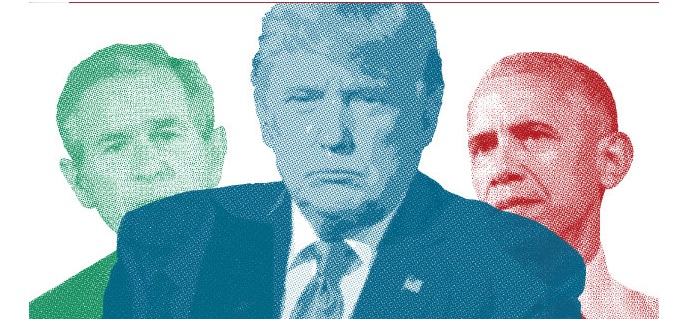
Beyond the Headlines: Unpacking Trump’s Economic Strategy
The economic policies of Donald Trump have consistently captured headlines, often marked by bold pronouncements and significant market reactions. But what lies beneath the surface of these headline-grabbing actions? To truly understand Trump’s economic strategy, we need to move beyond the immediate noise and delve into the core principles that have guided, and are expected to continue to guide, his approach. This post aims to unpack those strategies, offering a clearer picture of what they mean for the economy and for you.
The Pillars of “Trumponomics”
At its heart, Trump’s economic strategy, often dubbed “Trumponomics,” has been built on a foundation of several key tenets. While the specifics might evolve, these core ideas remain central to his economic vision.
1. Deregulation: Unleashing the “Beast”
One of the most consistent themes of the Trump presidency was a strong push for deregulation across various sectors. The argument here is simple: reducing the regulatory burden on businesses frees them up to invest, innovate, and hire, thereby stimulating economic growth.
- What it means for you: This can translate to potentially lower costs for certain goods and services as businesses face less compliance overhead. However, it also raises questions about environmental protection, worker safety, and financial market stability, depending on the specific regulations eased.
2. Tax Cuts: Stimulating Investment and Consumption
Significant tax cuts, particularly for corporations, were a hallmark of Trump’s first term. The theory is that by leaving more money in the hands of businesses and individuals, they will be incentivized to spend and invest, creating a ripple effect throughout the economy.
- What it means for you: While many individuals saw a reduction in their tax burden, the long-term impact on national debt and the distribution of wealth are subjects of ongoing debate. For businesses, lower corporate taxes can lead to increased profitability, which could theoretically be reinvested.
3. Aggressive Trade Policies and Tariffs: A Tool for Negotiation
Perhaps the most talked-about aspect of Trump’s economic strategy has been his willingness to employ tariffs as a primary tool in trade negotiations. The goal was often to address perceived trade imbalances and protect American industries from foreign competition.
- What it means for you: Tariffs can lead to higher prices for imported goods, impacting consumer budgets. While they may offer some protection to domestic industries, they can also lead to retaliatory tariffs from other countries, hurting American exporters and potentially disrupting global supply chains. Some economists suggest this approach can be a strategic negotiation tactic, aiming for a specific outcome, even if it causes short-term disruption. As one expert noted, there’s a scenario where this strategy could “outsmart all of us” if tariffs settle at a manageable level while achieving broader trade goals.
The Economic Advisors Shaping the Agenda
It’s important to recognize that economic policy is rarely shaped by one individual. During his presidency, Trump relied on a diverse group of economic advisors, each with differing viewpoints and backgrounds. Understanding these influences can provide further insight into the nuances of his economic strategy. These advisors often grapple with balancing competing priorities, from fostering growth to managing inflation and international relations.
Looking Ahead: Potential Scenarios and Considerations
As discussions surrounding future economic policy continue, understanding the past provides crucial context. If a second Trump presidency were to materialize, we might anticipate a continuation and potentially an intensification of these core strategies.
- Scenario 1: Tariffs as Leverage: Expect tariffs to remain a prominent feature, potentially targeting a broader range of countries or sectors as a means of renegotiating trade deals. The success of this strategy hinges on its ability to achieve desired outcomes without causing significant economic damage or prolonged trade wars.
- Scenario 2: Continued Deregulation: The push for deregulation would likely persist, impacting areas such as environmental regulations and financial oversight. The long-term consequences of further easing these regulations would need careful monitoring.
- Scenario 3: Fiscal Policy Debates: Discussions around tax policy, national debt, and government spending will continue to be central. The approach to managing the national debt while pursuing tax cuts or increased spending will be a critical balancing act.
What This Means for Your Financial Future
Navigating any economic landscape requires informed decision-making. For you, as an individual or a business owner, understanding these overarching strategies is key.
- Stay Informed: Keep abreast of policy changes and their potential impact on your industry, investments, and personal finances.
- Diversify: In a climate of potentially shifting trade dynamics, diversification in your investments and business operations can help mitigate risks.
- Understand the Trade-offs: Recognize that economic policies often involve trade-offs. What benefits one sector or group may have implications for another.
By looking beyond the sensational headlines and unpacking the core components of Trump’s economic strategy, you can gain a more nuanced understanding of the forces shaping our economic future. The effectiveness and ultimate outcomes of these strategies are complex, subject to ongoing debate, and depend on a multitude of global and domestic factors.

Additional Information
Beyond the Headlines: Unpacking Trump’s Economic Strategy
Donald Trump’s approach to the economy has consistently been a defining feature of his political career, marked by a distinct set of principles and a willingness to challenge established norms. As discussions surrounding a potential “Trump 2.0” presidency intensify, it’s crucial to delve deeper than the often-sensationalized headlines to understand the core tenets of his economic strategy and its potential implications.
At its heart, Trump’s economic agenda, often dubbed “Trumponomics,” has revolved around three key pillars: deregulation, tax cuts, and an aggressive stance on trade. This approach, as noted by the United States Studies Centre, involves “sweeping executive actions and tariff shocks” and signals a deliberate departure from traditional economic policy frameworks.
Deregulation was a cornerstone of the Trump administration, aimed at reducing the perceived burden on businesses and fostering growth. This included rolling back environmental regulations, financial industry oversight, and various other federal rules. The rationale was to unleash private sector innovation and investment by removing what were seen as unnecessary obstacles.
The tax cuts, particularly the Tax Cuts and Jobs Act of 2017, were another significant component. This legislation dramatically lowered corporate tax rates, with the aim of making the U.S. more competitive internationally and encouraging companies to reinvest profits domestically. The intention was to stimulate economic activity through increased capital availability and reduced business costs.
However, it is Trump’s aggressive stance on trade, particularly his use of tariffs, that has often generated the most attention and controversy. As highlighted by The Atlantic, a potential second Trump term could see a revival of trade wars, with threats of increased tariffs on numerous countries. This protectionist approach, championed by Trump, views tariffs as a tool to rebalance trade deficits, protect domestic industries, and negotiate more favorable trade agreements. Experts like Professor Walid Hejazi, whose research focuses on trade dynamics, offer insights into the “costs of protectionism” and its potential to create “economic instability and impact the global market.”
The effectiveness and consequences of these policies are subjects of ongoing debate. While proponents argue that these measures spurred economic growth and job creation during his first term, critics point to potential negative impacts, such as increased consumer costs due to tariffs, retaliatory measures from trading partners, and the exacerbation of income inequality.
Looking ahead to a potential second presidency, Bernard Yaros, Lead Economist at Oxford Economics, outlines different scenarios for the U.S. economy under a Republican sweep of Congress, suggesting that the economic trajectory would be significantly shaped by the continuation and potential escalation of these policies.
The individuals shaping Trump’s economic agenda also play a crucial role. The Hill has noted that Trump relies on a diverse group of economic advisers with differing perspectives, all contributing to the implementation of his policies, including his “sweeping tariff agenda that has rattled financial markets.”
Interestingly, some economic analysis suggests a nuanced view. For instance, Chris Harvey, Wells Fargo Securities’ head of equity strategy, has posited a scenario where tariffs might settle at a level that has minimal impact, even envisioning the S&P 500 reaching record highs, implying that the market might adapt or that the perceived negative impacts could be less severe than initially feared. This perspective suggests that the market might be able to “outsmart all of us” by finding ways to navigate the challenges presented by Trump’s trade policies.
In conclusion, unpacking Trump’s economic strategy requires looking beyond the immediate headlines of trade disputes and tariff threats. It involves understanding the foundational principles of deregulation, tax reduction, and a more protectionist approach to trade. The long-term consequences of these policies, and how they might evolve in a future administration, remain a critical area of analysis for economists, policymakers, and the global community alike. As the political landscape continues to evolve, a deep dive into the substance of “Trumponomics” is essential for grasping its potential impact on the U.S. and the world economy.
