
How Trump’s Approval Ratings Could Shape the 2026 Election
As the landscape of American politics continues to evolve, one figure remains at the center of attention: Donald Trump. With his approval ratings fluctuating amid various national and global circumstances, it’s crucial to understand how these ratings might influence the upcoming 2026 election. This blog post delves into the potential implications of Trump’s approval ratings, exploring how they can shape both Republican and Democratic strategies, voter sentiments, and ultimately, the election outcome.
The Approval Rating Landscape
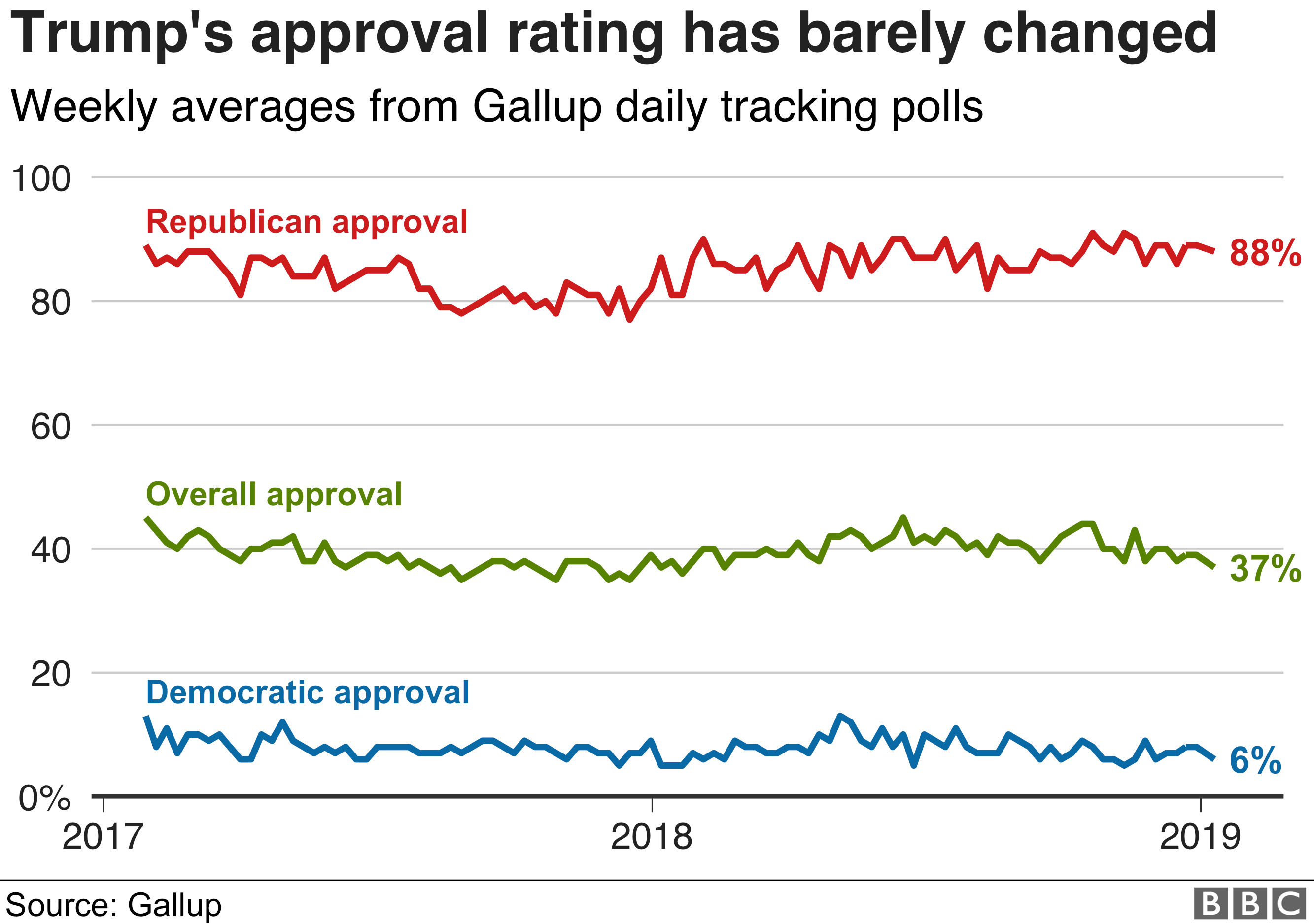
Donald Trump’s approval ratings have become a crucial barometer for understanding the political climate. Recent polling data shows that while Trump’s approval fluctuated from a net rating of 2 to as low as -18 in 2025, his current standing is slightly improved, resting around -16. This change can be pivotal when considering the dynamics of the 2026 election.
The relevance of Trump’s approval ratings extends beyond mere numbers; they influence the narratives crafted by both sides of the aisle.
Understanding Midterm Dynamics
Historically, the party of an incumbent president suffers what is termed a “midterm penalty,” often losing seats in Congress as public sentiment shifts. The scale of this penalty is typically aligned with the president’s approval ratings. If Trump’s numbers continue to hover in the negative, Republicans may face significant challenges in maintaining their foothold in the House and Senate.
- Potential Republican Losses: A sustained low approval rating could translate to the loss of crucial seats, particularly in swing districts where voter sentiment is key.
- Democratic Gains: Conversely, high enthusiasm among Democrats—partly driven by Trump’s controversial policies—could enable them to capitalize on Republican vulnerabilities.
Voter Sentiments and the Economy
Economic conditions play a substantial role in shaping public perception of any president. Trump’s declining support in 2025 can be linked to economic slowdowns, which historically have a profound impact on voter behavior. As we head toward 2026, the state of the economy will likely continue to shape opinions.
- Economic Performance Metrics: Key indicators such as employment rates, inflation, and overall economic stability will influence how voters perceive Trump’s leadership.
- Demographic Shifts: Disenfranchised voters, particularly from minority communities hit hardest by economic policies, may shift their support based on perceived economic injustices.
Strategic Responses from Political Parties
As Trump’s approval ratings fluctuate, both parties are adjusting their campaign strategies accordingly. Understanding these shifts can highlight how the 2026 election campaigns are being molded.
Republican Strategy
-
Branding and Messaging: Expect a focus on strong messaging around economic recovery, national security, and conservative values. Candidates may attempt to distance themselves from Trump to attract moderate voters.
-
Candidate Selection: The GOP may seek candidates who resonate better with swing voters, particularly in regions where Trump’s polarizing persona could lead to losses.
-
Engagement with Voter Coalitions: To combat declining approval ratings, Republicans will need to secure traditional bases while trying to broaden their appeal.
Democratic Strategy
-
Exploiting GOP Vulnerabilities: Democrats will likely emphasize issues surrounding Trump’s leadership and fallen approval ratings to rally support.
-
Mobilizing Electorate: Building on the enthusiasm observed in recent polls, Democrats could implement strategies aimed at increasing voter turnout, focusing on vulnerable districts.
-
Addressing Key Issues: Central themes such as healthcare, climate change, and economic equality will be focal points to connect with broader voter concerns.
The Role of Media and Public Perception
Media portrayal of Trump’s approval ratings and related political dynamics could further influence voter behavior. The narrative that emerges from news cycles can sway public opinion dramatically.
- Misinformation and Media Influence: As narratives around Trump’s leadership emerge, both misinformation and effective communication strategies will play critical roles in shaping perceptions.
- Public Interest in Polling Trends: Increased public engagement with polling trends may motivate voters to participate actively in the electoral process, emphasizing the importance of clarity and accuracy in reporting.
Actionable Takeaways
As we approach the 2026 election, keep the following insights in mind:
- Stay Informed: Regularly monitor Trump’s approval ratings and economic indicators. Understanding these dynamics can help you gauge potential election outcomes.
- Engage with Local Politics: Get involved in local issues that matter to your community, as these will significantly influence voter turnout and sentiments.
- Vote and Encourage Others: Regardless of political affiliations, participation in elections is paramount. Encourage friends and family to understand the stakes and make their voices heard.
Conclusion
Trump’s approval ratings will undoubtedly shape the political landscape leading into the 2026 election. With both parties adjusting their strategies in response to these ratings, the outcome will hinge not only on economic performance but also on the voter sentiment that these approvals encapsulate. As you navigate the upcoming electoral season, stay engaged, informed, and proactive in your political participation. Your voice matters in shaping the future of American democracy.
Additional Information
Trump’s approval ratings are a pivotal factor in shaping the political landscape ahead of the 2026 midterm elections. As recent analyses indicate, his approval will influence various aspects, including Republican campaigning strategies, Democratic positioning, and broader socio-economic sentiments.
1. The Impact of Approval Ratings on Midterm Elections
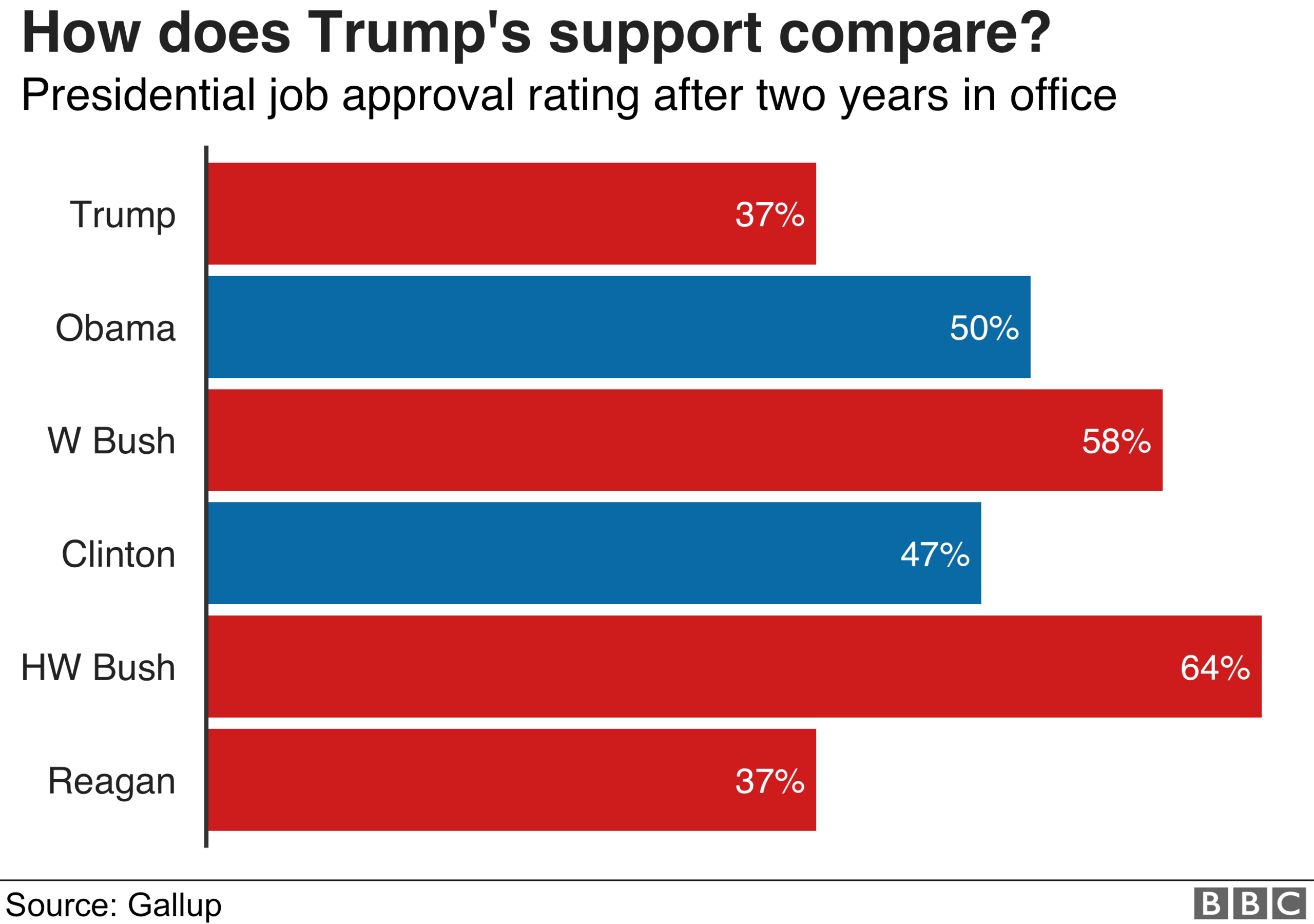
Historically, the party of the sitting president experiences a “midterm penalty,” often leading to seat losses in the U.S. Congress. According to sources, the extent of this penalty correlates closely with the president’s approval ratings at the time of the elections. In the context of Donald Trump, his approval ratings have fluctuated significantly since he began his second term, showing a net approval rating that has dipped as low as -18 but is currently hovering around -16, according to the Economist’s approval tracker. This trajectory suggests that if his ratings remain low, Republicans may face severe challenges in retaining seats in Congress during the 2026 elections.
2. Polarization and Coalition Dynamics
Recent commentary has highlighted a fracturing of political coalitions among Republicans, fueled by Trump’s declining approval ratings. A significant number of Republican representatives have chosen to retire, which could lead to a weakened party structure as they face energized Democratic opponents capitalizing on dissatisfaction with Trump. In the November 2025 off-year elections, notable Democratic victories in competitive districts further indicate that voter sentiments are shifting, potentially forming a strong base for Democratic candidates in 2026.
3. Economic Sentiments as a Driving Force
The economic landscape also plays a significant role in shaping voter behavior. Analysis from Brookings Institutions suggests that subdued economic performance in 2025 decreased support for Trump and, by extension, the Republican party. Economic issues, which often dominate voters’ concerns, could sour public perception if conditions do not improve. The interplay between economic performance and political favorability underscores the importance of how Republicans frame their economic messaging going into the elections.
4. Energizing the Base: Republican and Democratic Strategies
As Trump’s approval ratings remain steady amidst rising enthusiasm among Democrats for the upcoming elections, both parties are recalibrating their strategies. Reports suggest that while Democrats are mobilizing their base, Republicans must respond with grassroots campaigns that resonate with their constituents or risk losing ground. The decision of whether to align closely with Trump or distance from his controversial legacy could also influence candidate viability in contested districts.
5. Media and Business Responses
Trump’s approval ratings will not only dictate campaign strategies but will also shape how businesses and global leaders engage with the U.S. market and politics. If a perception of instability persists due to Trump’s popularity (or lack thereof), international and domestic business leaders may be cautious in their investments and dealings within the U.S. The broader economic sentiment could further complicate the political atmosphere as stakeholders respond to public opinion trends.
Conclusion
In conclusion, Trump’s approval ratings will substantially influence the dynamics leading up to the 2026 midterm elections. The historical correlation between approval ratings and electoral outcomes, combined with current social and economic sentiments, forecasts a competitive landscape. The potential for increased Democratic engagement, coupled with Republican ambiguity regarding Trump’s influence, will create an election environment ripe for strategic repositioning by both parties. Therefore, as the election approaches, continuous monitoring of Trump’s approval ratings and the associated voter trends will be crucial for understanding the potential outcomes of the midterms.
