Will Trump’s Foreign Policy Shift in 2026? Here’s What to Watch
As we approach 2026, a pivotal year for the geopolitical landscape, many are questioning the future of Donald Trump’s foreign policy. Will he maintain his “America First” stance, or will there be a shift in diplomatic strategies? Understanding the implications of this potential change involves examining key interactions, emerging global challenges, and shifting alliances. This article aims to provide you with a clear overview of Trump’s current foreign policy trajectory and what to expect as the year unfolds.
The Legacy of “America First”
Understanding Trump’s Foreign Policy Framework
Trump’s foreign policy, defined by its “America First” mantra, has radically altered traditional diplomatic relations. Since taking office, his administration’s key themes have included aggressive trade policies, a transactional approach to international alliances, and a skeptical view of multilateral organizations. As we look towards 2026, assessing whether these principles will persist or evolve is crucial.
Current State of Affairs
As of now, many ongoing foreign policy issues carry over, creating a kind of “policy hangover.” From trade tensions with China to the reconfiguration of U.S.-NATO alliances, the terrain remains complex. Trump’s transactional style has reshaped existing alliances and fostered a more contentious environment with countries like Iran and Russia.
Key Areas to Monitor in 2026
1. Trade Relations and Tariffs
Trump’s controversial trade and tariff policies are already shaking up global economic norms—this won’t change anytime soon. In 2026, you’ll want to watch:
- Policy Adjustments: Will there be a departure from current tariff strategies, or will they tighten further? Ongoing tensions with China and the implications of any economic recession will play critical roles.
- Global Reactions: How will other nations respond? Countries reliant on exports to the U.S. will be closely watching for shifts in tariffs.
2. International Alliances and Cooperation
The trend toward isolationism under Trump raises questions about U.S. commitment to its allies. Important points include:
- NATO Dynamics: As some members challenge NATO’s collective defense principle, watch for any changes in defense spending and commitment levels.
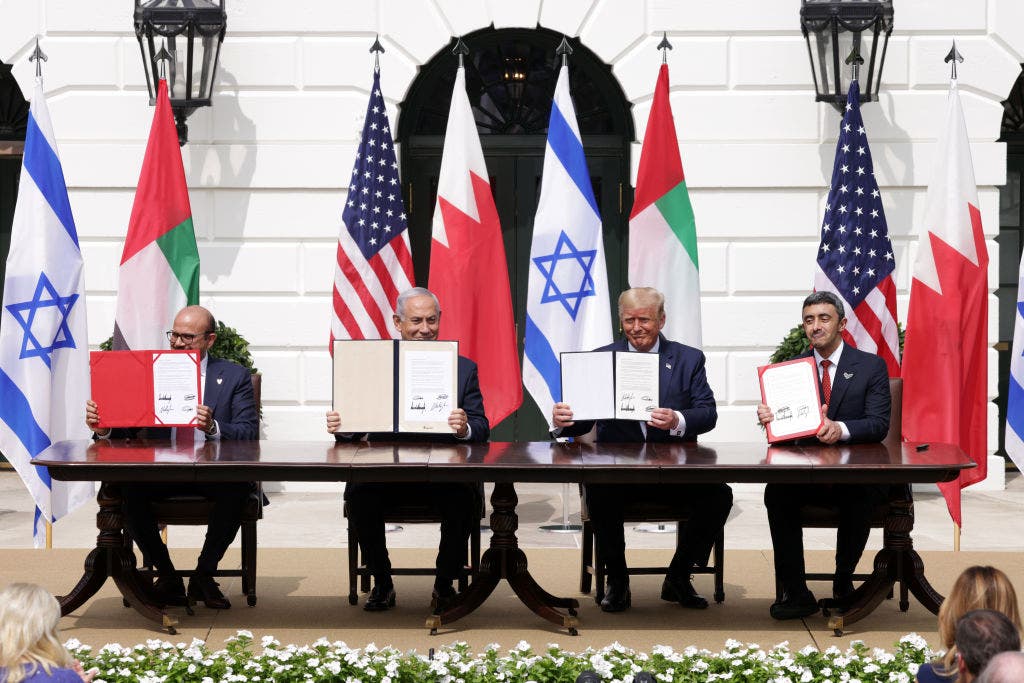
- Parsing Partnerships: Trump’s relationships with countries like Israel and Saudi Arabia may either strengthen or fray based on evolving regional conflicts.
3. Human Rights and Democratic Values
Trump’s foreign policy has often been critiqued for sidelining human rights. Consider:
- Response to Authoritarianism: Will Trump soften his stance towards authoritarian regimes, or will he take a firmer position in protecting democratic values on the global stage?
- Diplomatic Engagement: Watch for any significant dialogues surrounding human rights, especially in dealing with nations like Venezuela and Russia.
4. Environmental Policy and Climate Change
The presidential approach to climate change continues to influence foreign relations. In 2026, you should pay attention to:
- International Pact Participation: Will there be engagement with global agreements like the Paris Accord, or will the trend of disengagement persist?
- Energy Diplomacy: How the U.S. addresses its energy independence vs. global energy needs will impact relations with oil-rich nations.
5. Global Economic Trends and Isolationism
The economic repercussions of Trump’s policies may have long-standing effects on the global market:
- New Trade Agreements: Look for the potential emergence of alternative trade partnerships as nations adjust to America’s evolving stance.
- Global Economic Sentiment: Analyze how Trump’s policies are affecting global commerce and investments.
Conclusion: What Should You Keep an Eye On?
As we navigate the landscape leading into 2026, it’s vital to stay attuned to Trump’s foreign policy developments. Here are actionable takeaways to consider:
- Monitor Trade Developments: Keep an eye on tariffs and trade agreements that may signal shifts in policy.
- Engage with Global News: Follow updates on U.S. international relations for insights into shifting alliances and cooperative strategies.
- Understand Economic Indicators: The financial impacts of Trump’s policies will directly influence future diplomatic approaches—pay attention to economic forecasts and trends.
2026 marks an essential year for assessing whether Trump’s foreign policy will evolve or continue on its current path. The way forward is marked by uncertainty, but keen observation will provide valuable insight into America’s role on the global stage.

Additional Information
Will Trump’s Foreign Policy Shift in 2026? Here’s What to Watch
As we enter 2026, the world is poised for significant changes in the geopolitical landscape, largely influenced by Donald Trump’s foreign policy, which has shown a distinctive “America First” approach. This analysis will delve into the potential developments and implications of Trump’s foreign policy, synthesizing current insights and perspectives.
Overview of Trump’s Foreign Policy
Trump’s foreign policy has been characterized by an emphasis on unilateralism, a departure from traditional diplomatic norms, and aggressive trade measures. His administration’s tactics have significantly shifted U.S. relationships with key global players, including China, Russia, and NATO allies. As highlighted in POLITICO, many foreign policy issues from the previous year — including trade disputes, military entanglements, and international partnerships — will continue to play a pivotal role in 2026.
Key Trends to Watch
-
Trade and Tariffs:
Trump’s aggressive trade policies have already disrupted global economic norms, and as The Foreign Policy Association notes, the rationale behind this shift and its implications for multilateral trade will be crucial in 2026. Observers should closely monitor how these tariff policies evolve, especially concerning China and other non-allied nations. Will Trump maintain his tough stance, or will he pivot toward more collaborative trade discussions to stabilize the global economy? -
U.S.-China Relations:
The complexities of U.S.-China relations have become more nuanced, especially as The Economist points out that Trump’s policies might unintentionally open avenues for Chinese global influence amidst its economic challenges. Watch for developments in technology, trade, and security dialogues, as well as potential flashpoints in regions like the South China Sea or Taiwan. -
Transactional Diplomacy:
Trump’s approach has often been described as transactional, prioritizing immediate gains over long-term alliances. As reported in Time, this policy has upended U.S. alliances and reshaped global diplomacy. Key relationships, particularly with NATO and Middle Eastern allies, will be tested. How Trump navigates these longstanding alliances will be pivotal in determining the U.S.’s standing on the world stage. -
Geopolitical Stability:
With continued instability in regions like Venezuela and the Middle East, Trump’s next moves could either exacerbate these tensions or lead to unexpected peacemaking efforts. The implications of his policies, as indicated in CFR, will be critical in assessing regional dynamics and security strategies. -
Domestic Political Implications:
How Trump’s foreign policy decisions resonate domestically will also shape his ability to maneuver on the global front. Early indications suggest that polling and public opinion regarding key issues like immigration and national security may influence his geopolitical strategies, particularly in an election year. -
Impact on Global Alliances:
The ongoing reconfiguration of international alliances—the U.S. relations with NATO, for instance—will remain a focal point. As detailed in Foreign Policy, the endurance of Trumpism will test whether Trump’s provocative methods can secure U.S. interests without fracturing essential partnerships.
Conclusion
As we move through 2026, the world will be keenly watching President Trump’s foreign policy evolutions. With his transactional approach likely to continue influencing global dynamics, the outcomes of these shifts will be felt across trade, security, and diplomatic relations. Analysts must remain vigilant regarding how Trump’s policies adapt in reaction to domestic pressures and international developments, as these will ultimately dictate not only the future of U.S. foreign relations but also the broader geopolitical framework. The coming months will be crucial in deciphering whether Trump’s foreign policy will endure as a formidable force or shift in response to new challenges on the global stage.