
The global economic order has undergone a radical transformation under the second Trump administration. With President Trump famously declaring that “tariff is the most beautiful word in the dictionary,” the United States has moved firmly away from traditional free-trade orthodoxy toward a strategy of aggressive protectionism. As we move through 2026, understanding the mechanisms, legal challenges, and strategic goals of this administration is essential for businesses and global investors alike.
The Evolution of the “America First” Trade Mandate
Since his initial tenure in 2017, President Trump has successfully fostered a new political consensus: tariffs are a legitimate and powerful tool of public policy. The 2025 Trade Policy Agenda solidified this shift, prioritizing national interest over global supply chain efficiency.
This policy framework is not merely about revenue generation; it is a geopolitical instrument designed to force the reshoring of manufacturing and reduce reliance on foreign adversaries. By utilizing the America First Trade Policy memorandum, the administration has systematically reviewed tariff-adjacent levers, effectively turning the U.S. trade office into a primary engine for industrial policy.
Legal Hurdles and the “Plan B” Strategy
The year 2026 has been marked by significant judicial friction. In a landmark decision in February 2026, the U.S. Supreme Court struck down IEEPA-based tariffs, creating a significant roadblock for the administration’s executive-led trade strategy. This ruling limited the President’s ability to bypass Congress when imposing broad economic sanctions under the guise of national emergencies.
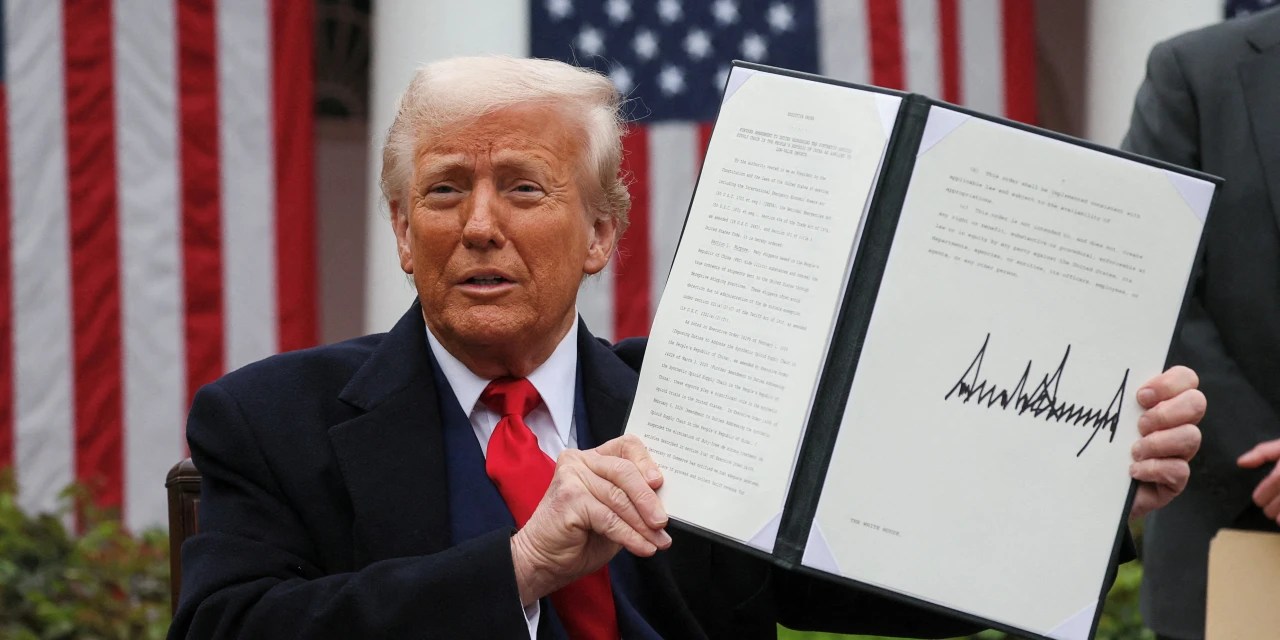
In response, the administration has pivoted toward more traditional statutory authorities. The focus has shifted to the Trade Expansion Act of 1962, specifically Section 232. By leaning on established legal frameworks, the White House aims to insulate its trade agenda from further judicial scrutiny while maintaining pressure on global partners.
April 2026: A Strategic Reset on Commodities
On April 2, 2026, the administration announced a major restructuring of import duties. These new Section 232 tariffs represent a tactical recalibration rather than a total retreat. The administration has opted to reduce tariffs on specific essential commodities—namely steel, aluminum, and copper—while maintaining high duties on finished goods.
This move is widely interpreted as a “middle-path” strategy. By easing the cost burden on raw materials, the administration aims to soothe domestic manufacturing sectors that were previously struggling with high input costs, all while keeping the broader protective umbrella intact for American producers.
Analyzing the Economic Impact: Winners and Losers
An objective Trump trade policy analysis reveals a bifurcated economic landscape.
- Manufacturing Gains: Industries focused on domestic production have seen increased capital expenditure as firms look to avoid tariff volatility by moving operations stateside.
- Consumer Pricing: Despite the administration’s claims, importers continue to pass tariff-related costs to consumers, keeping inflationary pressure on specific durable goods.
- Supply Chain Resilience: Corporations are increasingly adopting “China Plus One” strategies, diversifying their sourcing to avoid the direct crossfire of the ongoing trade war.

While proponents argue that this protectionism is a necessary “shield” for the American worker, critics point to the long-term risk of retaliatory tariffs from the European Union and emerging markets. The Tax Policy Center (TPC) Tariff Tracker remains the definitive resource for monitoring which legacy tariffs—some dating back to 2018—remain in effect versus those that have been sunsetted or restructured.
Future Outlook: What to Expect in Late 2026
As we look toward the remainder of 2026, three trends are likely to dominate the trade narrative:
- Increased Use of Section 301: Expect the administration to ramp up investigations into unfair trade practices, specifically targeting digital services and green technology.
- Bilateral Bargaining: The administration is expected to leverage the threat of new tariffs to force individual nations into bilateral deals that favor U.S. agricultural and tech exports.
- Judicial Watch: The administration will likely draft new legislation to empower the Executive branch with broader tariff authority, seeking to circumvent the limitations imposed by the Supreme Court’s February ruling.
Conclusion
The 2026 trade landscape is defined by volatility, strategic maneuvering, and a fundamental shift in how the U.S. interacts with the global market. For businesses, the era of predictable, low-tariff trade is over. Success in this environment requires a deep understanding of the Trump trade policy analysis and the agility to navigate a shifting regulatory environment. By prioritizing domestic industrial strength and leveraging the power of the tariff, the current administration has fundamentally rewritten the rules of international commerce.