10 Insights into Trump’s Political Strategy for 2026
As we look ahead to the 2026 midterm elections, Donald Trump’s political strategy is becoming increasingly clear. With his focus on retaining Republican control in Congress, Trump’s tactics are a blend of traditional campaigning, strategic endorsements, and bold messaging aimed at galvanizing his base. This comprehensive breakdown explores ten critical insights into his evolving strategy and its implications for voters, candidates, and the broader political landscape.
1. Endorsements as a Power Play
One of Trump’s most effective strategies lies in his endorsement prowess. By endorsing candidates early, he not only solidifies loyalty within the party but also shapes the field for potential challengers. For 2026, we can expect Trump to leverage his influence heavily, endorsing candidates who align with his vision, thereby ensuring a Republican slate that reflects his priorities.
Actionable Takeaway:
- Stay Informed: Keep an eye on Trump’s list of endorsements as they will guide party dynamics and candidate viability.
2. Targeting Economic Messaging
Trump’s campaign strategy will pivot around a strong economic narrative. Crafting messages that resonate with voters’ daily experiences—ranging from inflation to job creation—will be critical. This economic focus will not only appeal to traditional Republican voters but also aim to sway undecided constituents by promising tax cuts and deregulation.
Actionable Takeaway:
- Emphasize Economic Impact: As an active voter, consider candidates’ economic proposals, particularly those championed by Trump.
3. Commanding the Republican Narrative
With an increasingly polarized political environment, Trump is likely to dominate the Republican narrative through social media and media appearances. He will not shy away from using controversies to fuel discussions, ensuring he remains the focal point in both conservative and mainstream media.
Actionable Takeaway:
- Engage Responsively: Engage critically with media coverage and fact-check narratives to stay informed about the real implications of Trump’s messaging.
4. Mobilizing the Base
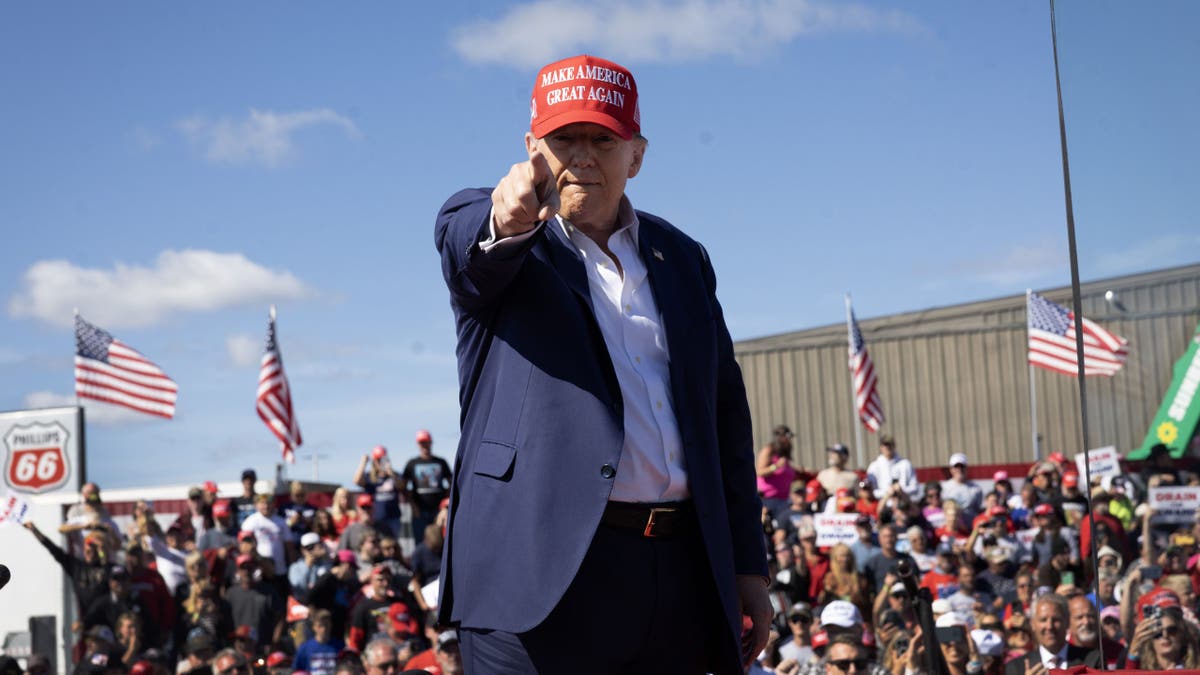
Trump has a unique ability to mobilize his base. His rallies, whether virtual or in-person, will be key to energizing supporters and bringing them to the polls. Expect a strong emphasis on grassroots campaigning and community engagement.
Actionable Takeaway:
- Participate: Take part in local events and discussion groups to understand community sentiments and rally support for candidates aligned with Trump’s agenda.
5. Combatting Opposition
Facing a strong Democratic opposition, Trump will likely implement aggressive tactics against perceived threats. This includes focusing on attacking opposing candidates, especially those from the progressive wing, positioning them as out of touch with average Americans.
Actionable Takeaway:
- Explore Candidate Positions: Look beyond the headlines to understand the actual policy positions of opposing candidates and how they contrast with Republican views.
6. Redistricting Influence
Trump’s team will also pay close attention to redistricting efforts that could reshape electoral maps following the 2020 census. They will seek to optimize districts favorable to Republicans, ensuring a strong position in Congress.
Actionable Takeaway:
- Study Local Maps: Familiarize yourself with redistricting in your area; knowing how maps have changed can influence your voting strategy.
7. Leveraging Digital Platforms
The digital landscape will play a pivotal role in Trump’s political strategy. From targeting ads to social media campaigns, he will utilize innovative technologies to reach voters effectively, particularly younger constituents who are more digitally engaged.
Actionable Takeaway:
- Use Social Platforms Effectively: Follow credible political discourse on digital platforms to remain updated and engaged with contemporary political issues.
8. Collaborations with Influencers
Trump’s strategy may involve partnerships with popular conservative influencers and commentators to amplify his messaging further. These collaborations will help broaden his reach and resonate more with various demographic segments.
Actionable Takeaway:
- Gauge Influencer Impact: Observe how influencers shape public opinion and how that might affect local and national election outcomes.
9. Connecting with Voter Concerns
A successful strategy for Trump will involve tapping into key voter concerns such as public safety, immigration, and healthcare. By presenting clear solutions and action plans, he aims to mitigate fears and bolster confidence in Republican candidates.
Actionable Takeaway:
- Research Candidate Platforms: Understand how candidates are addressing your top concerns; prioritize those with actionable and realistic solutions.
10. Building a Resilient Coalition
Lastly, Trump’s ability to forge alliances within different factions of the party, including moderates, traditional conservatives, and the far-right, will be crucial. By appealing to a broad coalition, he aims to unify Republican efforts for stronger midterm impacts.
Actionable Takeaway:
- Foster Coalitions: Engage with diverse political groups to encourage dialogue and coalition-building efforts within your community.
Conclusion
Trump’s strategic maneuvers leading up to the 2026 midterms will likely shape the Republican landscape for years to come. From his calculated endorsements to his focus on economic messaging, understanding these elements will provide invaluable insights into the political strategies at play. As engaged citizens, it’s essential to contemplate how these strategies align with your values and the future direction of the country. By staying informed and participation-inclined, you contribute to shaping the political narrative leading into the decisive 2026 elections.

Additional Information
10 Insights into Trump’s Political Strategy for 2026
As the 2026 midterm elections approach, Donald Trump aims to solidify Republican control of Congress while navigating complex political landscapes. Here are ten key insights into his evolving strategy:
-
Centralized Control of the GOP Strategy: Trump is adopting a hands-on approach by personally influencing the selection of candidates and making early endorsements, allowing him to shape the party’s direction in preparation for the 2026 elections (Reuters). This move emphasizes his role not just as a candidate but as a kingmaker with substantial sway over Republican candidates nationwide.
-
Economic Messaging: Trump’s campaign is doubling down on economic messaging, which has historically resonated with his base. He plans to focus on economic successes or reforms attributed to his previous term, utilizing a narrative that positions him as the architect of economic prosperity (Reuters). This messaging is crucial in appealing to working-class voters who prioritize economic issues.
-
Appealing to Base and Independents: Trump’s strategy appears to center on mobilizing his dedicated base while also trying to attract independents who might be disillusioned with the Democratic Party’s governance. This dual approach aims to maximize voter turnout across various demographics, essential for a successful midterm run (NBC News).
-
Addressing Polling Challenges: Despite facing poor polling numbers early in his presidency, Trump’s strategy seems to hinge on mitigating these challenges through robust campaigning and a focus on local issues that resonate with voters in key districts. His administration’s outreach will be crucial in countering negative narratives (NBC News).
-
Grassroots Mobilization: Trump intends to leverage grassroots networks established during his previous campaigns to enhance voter engagement. By reinforcing local party structures and energizing supporters, he aims to build a formidable ground game that can counter potential Democratic efforts to regain control (AP News).
-
Control of Congressional Candidates: Understanding the importance of candidate quality in electoral outcomes, Trump’s strategy includes closely vetting Republican candidates to ensure loyalty and alignment with his political ideology. By endorsing only candidates who align with his vision, he reduces the risk of losing seats to moderate or less competitive nominees (Politico).
-
Key Issues Focus: Immigration and Crime: Trump’s campaign is expected to emphasize issues that resonate with conservative voters, such as immigration control and crime prevention. By framing these issues as pivotal to American security and quality of life, he aims to galvanize his base (Future Center).
-
Navigating Internal GOP Divisions: Acknowledging the internal factions within the Republican Party, Trump’s strategy involves bridge-building while maintaining a hardline stance on key conservative values. His ability to manage these tensions will be vital in presenting a united front ahead of the elections (NBC News).
-
Leveraging Media and Technology: Trump remains adept at using media—both traditional and social platforms—to communicate directly with voters, circumventing established media narratives. This strategy enhances his visibility while reinforcing his message to a broad audience (NPR).
-
Contingency Plans for Challenges: Recognizing potential pitfalls such as backlash from Congressional investigations or partisan conflicts, Trump is likely preparing contingency strategies. This includes rapid response teams to manage narratives and protect the Republican brand as issues arise (Future Center).
In summary, as he charts a course toward the 2026 midterms, Trump’s strategy is characterized by assertive candidate control, focused messaging on economic and crime issues, grassroots engagement, and a keen understanding of the need for party unity amidst internal divisions. His success will depend on how effectively he can mobilize voters and navigate the complexities of the political landscape during this critical election cycle.