
The relationship between Donald Trump and the global news cycle has remained one of the most scrutinized phenomena in modern political history. As we move through 2026, the media framing of Donald Trump continues to serve as a masterclass in how news organizations navigate the intersection of personality-driven politics and institutional journalism. From his initial rise to his ongoing influence, the way the press covers the 45th and 47th President has fundamentally altered the standards of political reporting.
The Evolution of News Coverage: From 2017 to 2026
When analysts look back at the early days of Trump’s political career, the contrast with his current standing is stark. Research from the Shorenstein Center at Harvard Kennedy School highlighted that during his first 100 days in office, the media focused heavily on specific, high-conflict executive orders while often ignoring the nuance of broader administrative policy.
In 2026, the landscape has shifted toward a more polarized digital ecosystem. Modern donald trump media coverage analysis reveals that the sheer volume of airtime is no longer the primary metric of success; rather, the “sentiment score” and the platform-specific framing have become the new gold standard for tracking political impact.
Comparative Framing: International vs. Domestic Perspectives
One of the most fascinating aspects of recent academic research is the disparity in how various outlets report on Trump’s political maneuvers. A Semantic Scholar analysis of the 2024 election coverage provided a compelling look at the divergence between outlets like Xinhua News and The Washington Post.
- Western Media Framing: Often emphasizes the institutional consequences of Trump’s rhetoric and his impact on democratic norms.
- International State Media: Frequently focuses on the geopolitical shifts and the transactional nature of his foreign policy approach.
This divergence proves that there is no singular “Trump narrative.” Instead, the media landscape acts as a prism, reflecting different priorities depending on the geographic and political target audience.
The “Trump Effect” on Journalism Standards
The constant debate over whether the media provides “too much” coverage has been a staple of the industry for over a decade. By 2026, the consensus among media critics is that the attention economy is inextricably linked to Trump’s presence. Whether the coverage is critical or favorable, the engagement metrics remain consistently high, creating a cycle that is difficult for newsrooms to break.
Key Drivers of 2026 Media Trends:
- Algorithmic Polarization: Social media platforms prioritize high-arousal content, which naturally favors the bombastic communication style associated with Trump.
- Fact-Checking Fatigue: As the volume of information increases, the efficacy of traditional fact-checking has been challenged by the speed of viral misinformation.
- Alternative Media Rise: Influencer-led podcasts and independent digital outlets now play a larger role in shaping the Trump narrative than traditional cable news.
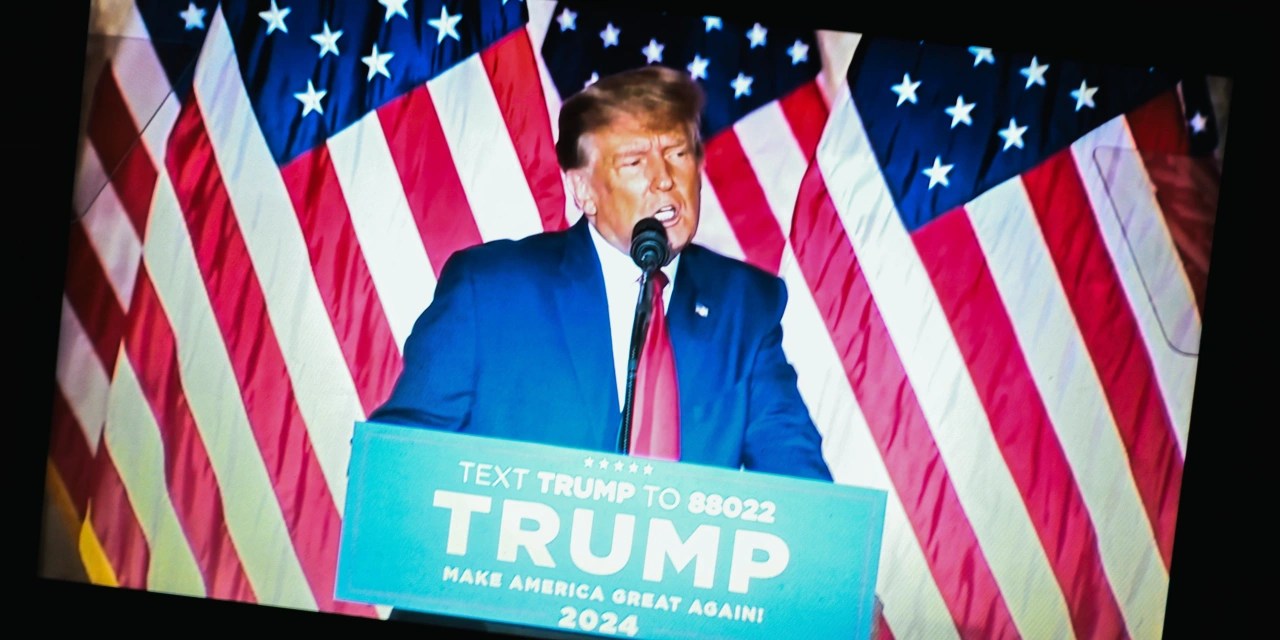
Why Quantitative Analysis Still Matters
While qualitative analysis—examining the tone and bias—is essential, quantitative data remains the backbone of any serious donald trump media coverage analysis. In 2026, data scientists are using AI to map the “spread of influence” across social platforms. By tracking how a single statement moves from a social media post to a prime-time news segment, researchers can quantify the exact reach and influence of Trump’s communication strategy.
The findings often confirm that the media does not just report on Trump; they participate in a co-dependent news cycle. When the press ignores a topic, it often dies; when they focus on a Trump-led controversy, it dominates the national conversation for days. This power dynamic is unlikely to change as we head into the next election cycle.
Conclusion: Looking Toward the Future
As we analyze the trajectory of media coverage regarding Donald Trump, it is clear that he has redefined the rules of political engagement. From his early executive orders to his current status as a political juggernaut, the media’s inability to look away has been his greatest asset.
For students of political communication, the lesson of 2026 is simple: the media is not a neutral observer, but an active participant in the story. Understanding this relationship is key to deciphering the future of American politics. As we look ahead, the integration of AI-driven media monitoring will continue to provide deeper insights into how the “Trump brand” manages to survive and thrive in an increasingly fragmented information environment.