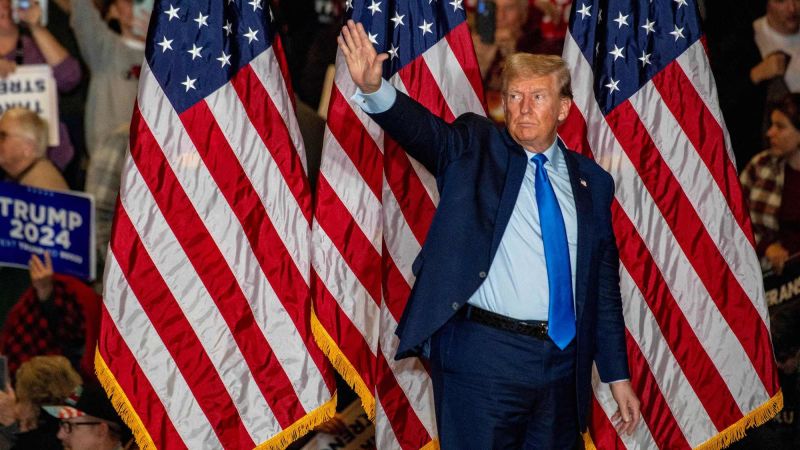
Key Themes That Will Define Trump’s Second Term in 2026
As we step into a critical year of Donald Trump’s second term, the political landscape is poised for significant developments that could alter the course of American politics and governance. With a plethora of challenges and opportunities awaiting, understanding the key themes that will characterize Trump’s presidency in 2026 is essential for both supporters and critics. This post explores the pivotal areas that are likely to shape his agenda, influence legislative action, and affect public opinion.
The Power Struggle: Executive Authority vs. Legislative Response
The Expansive Use of Executive Orders
One of the most defining aspects of Trump’s second term is his evident inclination towards using executive orders to bypass congressional gridlock. Following a tumultuous first year, Trump’s administration has rapidly implemented sweeping changes through executive actions. These actions range from immigration reforms to economic policies that align with his vision of a “merit-based” system.
- Action Items:
- Tracking the impact of these executive orders on key voter demographics.
- Monitoring potential pushback from Congress, especially if the opposition gains strength.
Legislative Dynamics: The Midterm Elections of 2026
Amidst the executive maneuvers, the upcoming 2026 midterms serve as a crucial litmus test. The balance of power in Congress is likely to influence Trump’s ability to enact further reforms.
- This year, Democrats are striving to capture at least one chamber of Congress, which could potentially challenge Trump’s presidency. Key issues like healthcare, education, and the economy will animate the campaigns.
- As a voter, staying informed about candidates’ positions and their implications on future Trump policies will be crucial.
Domestic Policy Initiatives: Immigration and Beyond
A Renewed Focus on Immigration Reform
Immigration continues to be a cornerstone of Trump’s agenda. His administration is likely to ramp up efforts to secure the border and reform immigration laws decisively, promising a rigorous crackdown on illegal crossings and a refined legal system.
-
Proposals to Consider:
- Establishment of more stringent vetting processes.
- Accelerated deportations are on the table, despite potential backlash.
-
Community Response:
- Engage with local communities to understand how these policies affect residents and businesses. Advocating for humane immigration reform could present alternative perspectives.
Economic Policies: Addressing Inflation and Growth
Economic recovery has not been without its hurdles, particularly with inflation affecting everyday Americans. Trump’s approach involves tax reforms and deregulation as tools to spur growth.
- Limitations:
- A divided Congress could constrain fiscal policies. Keeping an eye on economic performance metrics will help you measure the effectiveness of these policies.
Foreign Affairs: Far-Reaching Implications
Strained Relations and Global Strategy
Trump’s foreign policy has been marked by a focus on America First, with particular attention to re-evaluating alliances and military commitments. As he navigates ongoing tensions with nations like Venezuela and Russia, the international climate will significantly influence his second term.
- Factors to Observe:
- Trade negotiations, especially those relating to China, could have profound effects on domestic industries.
- Pay attention to responses from NATO and other allies as Trump attempts to reassert American interests globally.
National Security Concerns
With increasing global unrest, national security will be at the forefront. Trump’s administration is expected to enhance military budgets and strengthen defense protocols.
- Engaging with local representatives about national security measures may provide insight into their effect on your community.
Legal Challenges and Accountability
Navigating Legal Quagmire
Trump’s presidency faces substantial legal scrutiny, with over 550 court cases underway. These legal battles are likely to distract from policy-making and draw public attention away from governance.
- Implications for Voters:
- Keeping abreast of these cases can shed light on the credibility of the administration’s actions and assertions.
Political Fallout and Public Sentiment
As legal challenges mount, public sentiment may shift, impacting Trump’s approval ratings and legislative influence. The electorate’s reaction will ripple through forthcoming elections, making it vital to remain engaged in the political process.
Conclusions and Takeaways
As we traverse through 2026, key themes such as the exercise of executive power, immigration reform, economic policies, foreign relations, and legal challenges will heavily define Trump’s second term. For you, the voter and engaged citizen, these developments will demand close attention.
- Stay Informed: Follow political developments and understand how they align with your values.
- Engage in Dialogue: Discuss these themes with friends and family to broaden your perspective.
- Participate: Vote in local and national elections to influence the political landscape actively.
Being aware of the themes that will shape Trump’s second term will not only enhance your understanding of American politics but will enable you to advocate for policies that matter to you and your community.

Additional Information
As we analyze the landscape of Donald Trump’s second term in 2026, several key themes are emerging that not only reflect his administration’s priorities but also the broader socio-political climate in the United States. Here’s a detailed examination of those themes based on recent developments and analyses.
1. Executive Power and Governance
Trump’s second term has been characterized by a significant assertion of executive power, which he has referred to as an “imperial presidency.” This theme evokes debates on the limits of presidential authority and the responsibilities of Congress. The midterm elections have proven crucial, as Democrats have sought to regain control of at least one chamber, which could temper Trump’s ambitious agenda.
Recent reports highlight that his administration’s sweeping executive actions—ranging from immigration reforms to controversial foreign policies—underline a shift towards unilateral decision-making (CNN, 2026). This governance style is likely to lead to increased tensions with opposing parties and governmental institutions, raising concerns about checks and balances.
2. Legal Challenges and Political Opposition
A defining characteristic of Trump’s second term is the unprecedented legal scrutiny he faces. As reported, there are over 550 court cases challenging various aspects of his presidency, from executive orders to personal conduct. This legal entanglement is not only a problem for Trump personally but also a significant point of contention that shapes his administration’s narrative (Azat, 2026).
The intensification of legal challenges may amplify his grievances against the “deep state,” which he has consistently portrayed as obstructing his agenda. This theme of victimization could galvanize his base further, but it also risks alienating moderate voters who may be concerned about governance rather than continuous controversy.
3. Immigration and Border Policies
Immigration remains a cornerstone of Trump’s policy agenda. His administration has successfully driven illegal crossings at the border to record lows through strict enforcement measures. Trump’s promises of mass deportations and stringent immigration policies resonate with his core supporters, who see such actions as exercising necessary control over national resources and security (NYT, 2025).
However, this focus on immigration has also sparked protests and legal battles, positioning it as a polarizing issue in American society. The developments in this sector are likely to define the political landscape, particularly ahead of the 2028 presidential elections when Trump may no longer be eligible to run due to term limits.
4. International Relations and Global Stance
Trump’s approach to foreign policy has been aggressive and assertive, with notable moves including attempts to challenge regimes in countries like Venezuela. His administration’s actions have often favored unilateral military and diplomatic strategies over multilateral cooperation (AP, 2026).
This confrontational style has drawn both criticism and support. While many of his supporters appreciate his tough stance, critics warn that such an approach might isolate the U.S. on the global stage. The turbulence in international relations, whether it’s reshaping alliances or navigating emerging domestic conflicts, will be closely watched.
5. Economic Policy and Trade
Trump’s second term also promises significant shifts in economic policy, especially concerning trade. His administration has adopted a more protectionist stance, reflecting a broader trend in U.S. politics aimed at safeguarding American jobs and industries (Bloomberg, 2026).
However, the implications of these trade policies are complex. While they may appeal to his working-class base, they could create economic instability or backlash from global partners, complicating international trade agreements. These economic factors will be pivotal in shaping public sentiment and voter behavior heading into future elections.
6. Divisions Within the Republican Party
Another crucial theme is the growing divide within the Republican Party itself. While Trump retains significant influence, fissures are emerging between traditional conservatives and the more radical factions that support his populist agenda (Azat, 2026). This internal conflict can lead to a reevaluation of party priorities and strategies as Trump prepares for future electoral challenges.
As Trump navigates these complexities, the effectiveness of his leadership will hinge on how well he can unify his party while maintaining his core support. Dissenting voices within the GOP may challenge his policies, potentially complicating legislation and governance.
Conclusion
As Donald Trump continues his second term amidst considerable challenges and opportunities, the themes of executive power, legal scrutiny, immigration, international relations, economic policy, and party unity will play crucial roles in shaping not only his administration but also the future of American politics. The unfolding landscape will set the stage for upcoming midterm elections and the broader political atmosphere leading to 2028, making 2026 a defining year in Trump’s legacy.