
The Polarizing Effect: Trump’s Approval Ratings at the Start of 2026
As we enter 2026, the political landscape in the United States remains as charged and complex as ever. Former President Donald Trump, now navigating his second term, is back under the public’s scrutiny with approval ratings that present a jarring picture of polarization. In this article, we’ll delve into Trump’s approval ratings at the start of 2026, examining the factors behind their fluctuations, the public sentiment surrounding his presidency, and what it signifies for American politics moving forward.
The Current State of Trump’s Approval Ratings
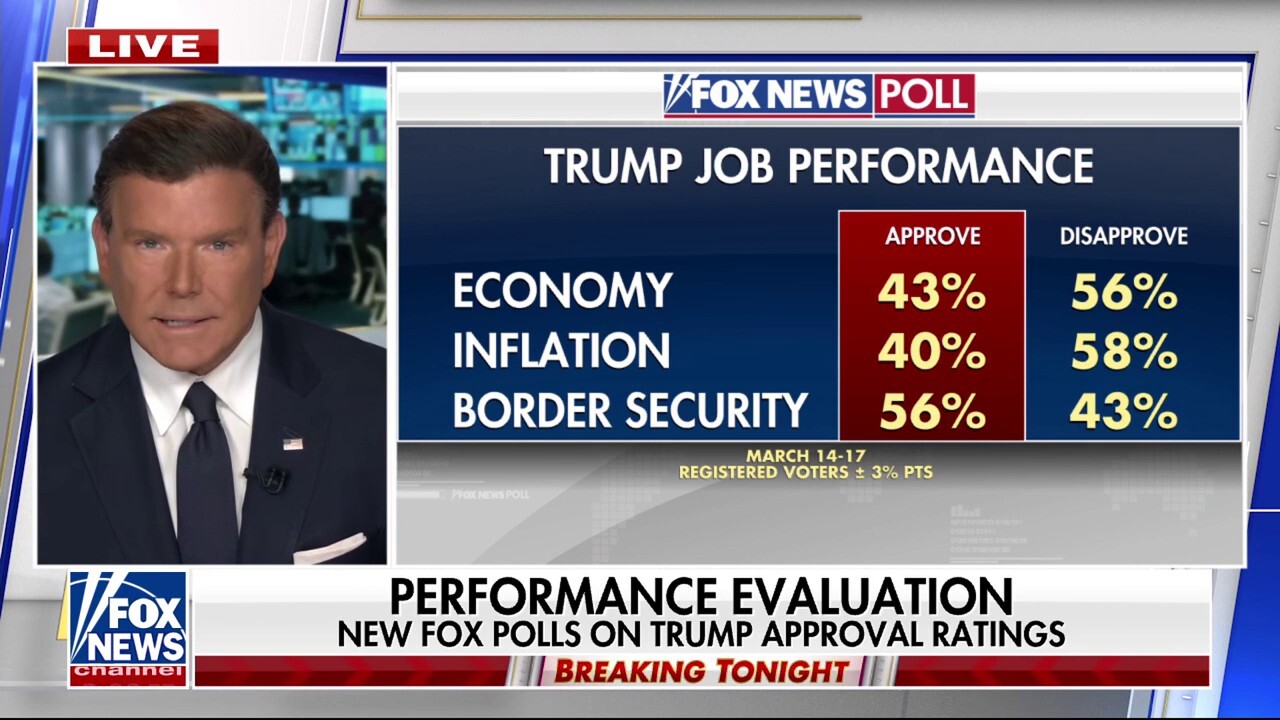
In early January 2026, Trump’s approval ratings see a slight uptick compared to the previous year, indicating a slight recovery from a dip experienced in late 2025 following multiple controversial incidents. Recent polls report that around 42% of Americans currently approve of his performance in office, a figure that mirrors his early ratings during his first term. Despite this increase, disapproval ratings remain robust, showcasing the enduring divide in public opinion.
Poll Highlights
- Current Approval Rate: 42%
- Current Disapproval Rate: 58%
- Voter Sentiment: A consistent pattern shows that while a portion of Americans remain supportive, a substantial majority continues to express disapproval.
Understanding the Polarization
Trump’s re-emergence into the political arena has undoubtedly reignited the deeply entrenched divisions within American society. The concept of polarization is essential to understanding the 2026 approval ratings. Many voters see Trump as a catalyst for political and social change, while others view him as a divisive force.
Factors Contributing to Polarization:
- Controversial Policy Decisions: From immigration reforms to foreign policy strategies, Trump’s decisions often evoke strong reactions from both supporters and opponents.
- Media Representation: The starkly different portrayals of Trump in mainstream vs. conservative media contribute to divergent perceptions, strengthening partisan loyalty.
- Cultural Issues: Topics such as race, gender rights, and climate change see Trump positioned on opposite sides of the debate, polarizing opinions further.
Key Events Impacting Approval Ratings
Throughout 2025 and into 2026, several key events have influenced public perceptions of Trump.
Notable Events:
- Economic Challenges: A struggling economy has proven to be a significant challenge for Trump, eroding some of the support he had garnered. Public confidence in his economic management is notably lower than during his first term, which could contribute to ongoing disapproval.
- Handling of Controversies: Scandals and public outcries surrounding Trump’s behavior and comments consistently challenge his approval ratings.
A Data Perspective
These events highlight a roller-coaster trend where strong disapproval often outweighs strong approval, acting as a consistent backdrop for Trump’s political narrative.
The Road Ahead: Implications for 2026
Trump’s approval ratings at the beginning of 2026 set the stage for a pivotal election year. While some analysts predict he could leverage rising approval to rally support among disillusioned voters, others suggest that persistent disapproval rates could hurt his party’s prospects.
Considerations for Voters:
- Stay Informed: Understanding the factors influencing Trump’s approval can empower you to make informed decisions when casting your vote.
- Engage in Dialogue: Discussing different perspectives on Trump’s presidency can help bridge political divides and foster constructive conversations.
Conclusion: The Ongoing Saga of Public Opinion
As we analyze Trump’s approval ratings in early 2026, it’s clear that his presidency continues to provoke intense reactions across the political spectrum. The enduring polarization reflects not only Trump’s personal brand but also the broader issues affecting American society today.
While the path forward may be fraught with challenges, engaging with these dynamics ensures you remain an informed participant in the ongoing political discourse. The future is uncertain, but understanding the present allows you to prepare for what’s next. Whether approved or disapproved, Trump’s polarizing effect is likely to ripple through American politics for years to come.
Additional Information
As we enter the year 2026, President Donald Trump’s approval ratings continue to reflect the deeply polarized state of American politics. Following significant events during his second term, including a series of controversial policy decisions and public appearances, Trump’s approval ratings have experienced slight fluctuations that merit a deeper analysis.
Rising and Falling Approval Ratings
At the start of 2026, reports indicate that Trump’s approval ratings have seen a modest uptick, with some polls showing his favorability increasing among American voters USA TODAY. Particularly following the holiday season, political analysts noted that this increase might pertain to voters’ retrospective views on his governance, especially in light of recent economic challenges.
However, this rise was short-lived. Poll data from mid-January indicates a slight dip in his approval ratings, which may be attributed to backlash from a series of controversial events and policies that occurred in late 2025 AZ Central. It’s a testament to the unpredictable nature of Trump’s relationship with the American electorate, wherein a blip in favorable sentiment can quickly recede amid controversies.
The Polarization of Support
Trump’s approval ratings are emblematic of a broader trend of political polarization in the United States. Approximately 40% of Americans consistently express approval for his performance in the White House, similar to figures from the early days of his first term AP News. Polling data reflects that while he maintains a core group of steadfast supporters, a significant segment of the population remains in strong disapproval.
The extent to which approval ratings fluctuate has become notably narrower, with Trump experiencing a unique situation where about half of Americans disapprove of his performance. This entrenched division has made any substantial increase in approval challenging and underscores the consistent nature of his polarizing effect on the electorate Silver Bulletin.
Furthermore, Trump’s approval ratings appear to be closely tied to specific issues. For instance, during his first term, economic metrics were a strong point for his administration, with nearly half of Americans approving of his economic stewardship. However, in early 2026, the economy has shifted to a critical concern, with many voters expressing dissatisfaction over inflation and job growth, which could significantly impact his support in the coming months AP News.
Media Coverage and Its Impact
The narrative presented by media outlets significantly influences public perception of Trump’s presidency. The New York Times encourages ongoing tracking of opinion polls to understand the ebb and flow of his approval ratings, examining how public sentiment aligns with media portrayals of his policies New York Times.
Moreover, political analysts assert that regardless of his approval ratings, Trump’s strategy seems to continue cultivating his base and prioritizing issues that resonate strongly within that demographic, which often clashes with the general public’s perspectives on governance and policy.
Conclusion
As 2026 progresses, Trump’s approval ratings will undoubtedly remain a focal point of interest for political observers. The ongoing economic challenges, alongside Trump’s polarizing presence and considering upcoming electoral cycles, indicates a complex relationship with the electorate. Predicting the trajectory of his approval ratings will require monitoring external variables, including media narratives, public sentiment towards administration decisions, and economic indicators that are likely to sway voter sentiments in this politically charged environment. The polarization observed in current approval ratings underscores not just Trump’s style but also the deeper ideological divides that characterize American politics today.