
As we navigate the political landscape of 2026, the echoes of the most significant electoral return in modern history continue to reshape Washington. Donald Trump’s successful bid to become only the second president in U.S. history to serve non-consecutive terms—following the precedent set by Grover Cleveland in 1892—has provided a masterclass in political resilience.
The Trump political comeback strategy was not merely a campaign; it was a multi-year tactical overhaul that transformed the Republican Party into a multi-ethnic, working-class coalition. By analyzing the mechanics of this victory, we can understand the current trajectory of American governance as we head toward the 2026 midterms.
1. The “Blue Wall” and the Sun Belt Realignment
The cornerstone of the comeback was a surgical focus on battleground states. While traditional pundits focused on suburban shifts, the Trump team doubled down on the Midwest and Sun Belt. By 2024, the strategy had successfully flipped key states like Pennsylvania, Michigan, and Wisconsin by appealing directly to industrial workers.
In the Sun Belt, the strategy focused on a historic shift among Latino and Black male voters. By emphasizing economic opportunity over identity politics, the campaign secured a mandate that transcended traditional demographic boundaries. This realignment has become the “New Normal” in 2026, forcing the opposition to rethink their entire outreach model.
<img alt="Analysis: Trump’s comeback will begin with a blast of executive power …" src="https://media.cnn.com/api/v1/images/stellar/prod/trump-remarks-p1-thumb.jpg?c=16×9&q=w1280,cfill” style=”max-width:100%; height:auto; border-radius:8px; margin: 1rem 0;” />
2. Economic Nationalism and “Kitchen Table” Issues
The Trump political comeback strategy prioritized “Kitchen Table” economics over abstract policy debates. The campaign focused on three core pillars that resonated with a frustrated electorate:
- Energy Independence: Promising to “Drill, Baby, Drill” to lower fuel costs and manufacturing overhead.
- Tariff-Driven Trade: Using protectionist measures to incentivize the return of American manufacturing.
- Inflation Control: Directly linking government spending to the rising cost of groceries and housing.
By framing the election as a choice between globalism and nationalism, Trump tapped into a populist sentiment that had been simmering since 2020. This economic focus allowed him to sidestep controversial social issues that had previously alienated moderate voters.
3. The Power of Alternative Media and Direct Communication
In 2026, we see the full fruit of a media strategy that bypassed traditional gatekeepers. Trump’s team recognized that the “legacy media” no longer held a monopoly on public opinion. Instead, they utilized:
- Long-form Podcasts: Reaching millions of young voters through appearances on platforms like The Joe Rogan Experience.
- Truth Social and X (formerly Twitter): Maintaining a direct line of communication to the “MAGA” base without editorial filtering.
- Digital Micro-targeting: Using advanced data analytics to reach “low-propensity” voters who felt ignored by the political establishment.
This decentralized approach ensured that the Trump political comeback strategy remained agile, allowing the campaign to define the narrative before the mainstream news cycle could react.
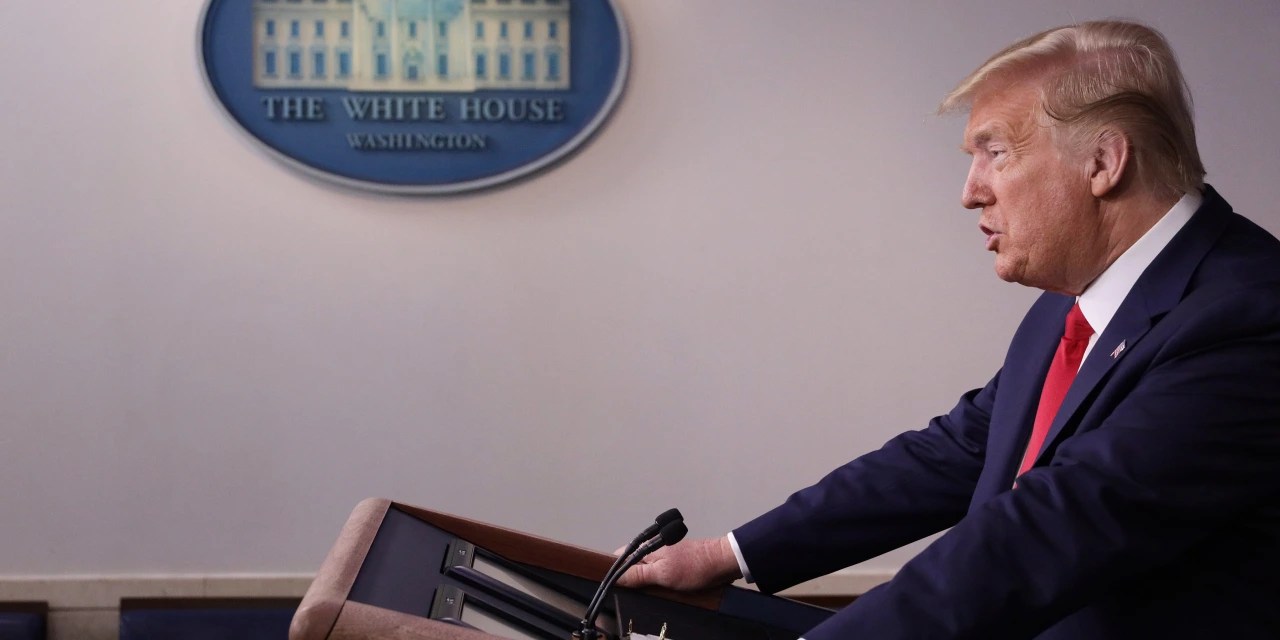
4. Executive Power: The “Day One” Mandate
A critical component of the comeback was the promise of immediate action. Unlike his first term, which was often slowed by administrative hurdles and “The Deep State,” the 2024-2025 transition was characterized by a “blast of executive power.”
Upon returning to the Oval Office, the administration moved swiftly to implement a comprehensive border security plan and a massive deregulation agenda. This “shock and awe” approach to governance was designed to prove to voters that their mandate was being respected. In 2026, this remains a central theme as the administration prepares for the legislative challenges of the mid-term cycle.
The Focus on Crisis Leadership
The strategy also shifted toward crisis leadership. By framing every major issue—from the border to the economy—as a national crisis, Trump was able to justify the use of expansive executive orders. This has fundamentally changed the expectations of the American presidency, moving it toward a more direct, action-oriented model.
5. Learning from the Past: A Less Encumbered Mandate
One of the most striking aspects of the Trump political comeback strategy was the selection of personnel. In his first term, Trump often clashed with his own cabinet. This time, the strategy involved pre-vetting thousands of loyalists through initiatives like Project 2025 and the America First Policy Institute.
As a result, the current administration is significantly less encumbered by internal dissent. This streamlined approach has allowed for:
- Rapid Judicial Appointments: Filling vacancies with originalist judges at record speeds.
- Departmental Restructuring: Aggressively downsizing federal agencies to reduce the “administrative state.”
- Foreign Policy Assertiveness: Implementing a “Peace through Strength” doctrine that has reshaped alliances in Europe and the Middle East.
<img alt="Analysis: Trump’s comeback will begin with a blast of executive power …" src="https://media.cnn.com/api/v1/images/stellar/prod/gettyimages-2023794826-20250120024215850.jpg?c=16×9&q=w800,cfill” style=”max-width:100%; height:auto; border-radius:8px; margin: 1rem 0;” />
6. Looking Ahead: The 2026 Midterms and Beyond
As we approach the 2026 midterms, the Trump political comeback strategy is evolving into a long-term governing philosophy. The goal is no longer just about winning an election; it is about establishing a permanent populist majority.
The Republican Party in 2026 is a reflection of this strategy. It is younger, more diverse, and more focused on economic nationalism than ever before. The opposition remains divided on whether to move further to the left or attempt to reclaim the center, while the Trump administration continues to dominate the cultural and political zeitgeist.
Conclusion: A Historic Legacy
Donald Trump’s political comeback will be studied by historians for decades. It was a victory built on risky electoral strategies, a deep understanding of the American working class, and an uncompromising use of executive authority.
Whether you view this era as a necessary correction or a radical departure, one thing is certain: the Trump political comeback strategy has permanently altered the DNA of American politics. As the 2026 calendar turns, the world is watching to see how this second mandate will continue to unfold, unencumbered and driven by a historic mandate.