
As we navigate the political landscape of 2026, the influence of Donald Trump remains a central pillar of American discourse. For over a decade, his brand of right-wing populism has reshaped the Republican Party and redefined the expectations of the electorate. Understanding the longevity of this movement requires a deep dive into the socio-political mechanics that keep it relevant in an increasingly volatile global environment.
The Origins and Uniqueness of the MAGA Movement
When Donald Trump first burst onto the scene in 2016, political pundits often dismissed his candidacy as a temporary anomaly. However, a rigorous Trump political movement analysis reveals that MAGA is far from a fleeting trend. It is sui generis—a unique phenomenon that tapped into deep-seated frustrations regarding globalization, economic stagnation, and cultural shifts.
The movement’s strength lies in its ability to foster a sense of belonging among its followers. By positioning himself as a disruptor of the “establishment,” Trump successfully created a populist coalition that feels heard and validated. This connection is not merely policy-driven; it is deeply emotional, rooted in the promise of restoring a perceived lost status for the American worker.
The Symbolic Politics of Status
Ethnographic fieldwork conducted among MAGA activists offers critical insights into why the movement persists. Central to this analysis is the symbolic politics of status. For many supporters, the movement is not just about tax rates or trade deals; it is a defense of their place in the social hierarchy.
- Cultural Identity: Supporters often feel that their values are under siege by progressive cultural norms.
- Anti-Establishment Sentiment: A profound distrust of mainstream media, academia, and federal institutions fuels the movement’s internal cohesion.
- Direct Communication: The use of social media allows Trump to bypass traditional gatekeepers, maintaining a direct line of influence with his base.
Geopolitical Turbulence and Trump’s Power in 2026
The year 2026 presents a new, complex challenge for the movement. As international conflict frays the traditional structures of power, the political environment is reaching a crystalizing moment. The question for analysts is whether Trump’s influence can withstand the pressures of a world in flux.
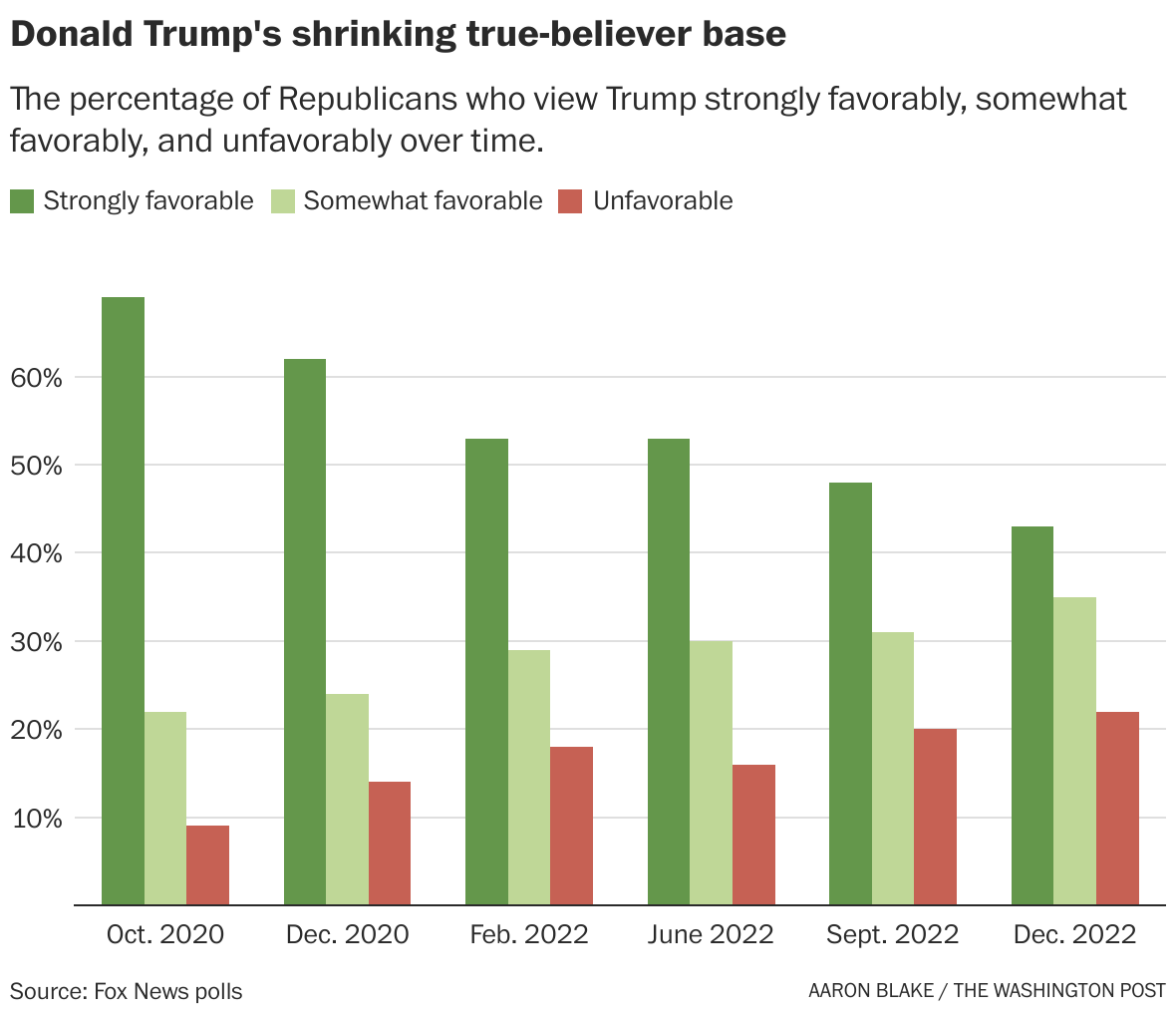
While global instability often favors leaders who project strength and “America First” nationalism, it also introduces risks. If the movement is perceived as failing to provide stability or solutions to tangible crises, the base may begin to fracture. However, current data suggests that the MAGA base remains remarkably resilient, as they often view external opposition as proof of the movement’s necessity.
<img alt="Analysis: Donald Trump’s poll numbers are making things very awkward …" src="https://media.cnn.com/api/v1/images/stellar/prod/220921101615-the-point-trump-poll-numbers.jpg?c=16×9&q=w1280,cfill” style=”max-width:100%; height:auto; border-radius:8px; margin: 1rem 0;” />
Key Drivers of Continued Political Engagement
Why does the movement continue to dominate the zeitgeist? Several factors contribute to its endurance in 2026:
- The “Outsider” Persona: Despite his time in office, Trump maintains the aura of an outsider, allowing him to deflect blame for systemic failures onto career politicians.
- Economic Anxiety: Even with fluctuations in the market, the narrative of “economic betrayal” remains a potent recruitment tool for new followers.
- Media Ecosystems: The development of parallel information streams ensures that the movement’s narrative is consistently reinforced without being challenged by mainstream outlets.
The Future of Right-Wing Populism
Looking ahead, the longevity of this political movement will depend on its ability to transition from a personality-centric campaign to a sustainable institutional force. The Trump political movement analysis of 2026 suggests that the ideology—characterized by nationalist economic policies and social traditionalism—has outgrown the man himself.
Whether or not Trump remains at the helm, the structural changes he initiated within the electorate are likely to persist. The Republican Party has been fundamentally altered, and the “MAGA” brand has become a permanent feature of the American political lexicon. As we look toward the remainder of the decade, the ability of both major parties to address the underlying grievances of the MAGA base will determine the future stability of the American republic.
Conclusion
The MAGA movement is a complex tapestry of social, economic, and psychological factors. It represents a significant shift in how citizens interact with their government and how they define their political identity. By analyzing the symbolic status dynamics and the resilience of the base, we gain a clearer picture of why this movement continues to define the era. As 2026 progresses, the ability of these forces to adapt to a changing world will remain the most critical story in American politics.