
The political trajectory of Donald J. Trump remains one of the most studied phenomena in modern history. As we navigate 2026, the Trump political strategy breakdown reveals a movement that has matured from an insurgent campaign into a sophisticated, institutionalized political apparatus. While the core tenets of his appeal—populism, disruption, and direct communication—remain, the execution has evolved to meet the complexities of a fragmented media environment and a shifting demographic base. Understanding this strategy is essential for grasping the current state of American governance and the future of the conservative movement.
By 2026, the Trump brand has moved beyond mere personality politics to become a durable framework for political engagement. The strategy now centers on asymmetric warfare, where the campaign dictates the terms of engagement, forces opponents to play defense, and utilizes deep-rooted data analytics to mobilize a base that has grown more diverse and ideologically entrenched. This article explores how these mechanics function in the current political climate.
The Evolution of Populist Mobilization in 2026
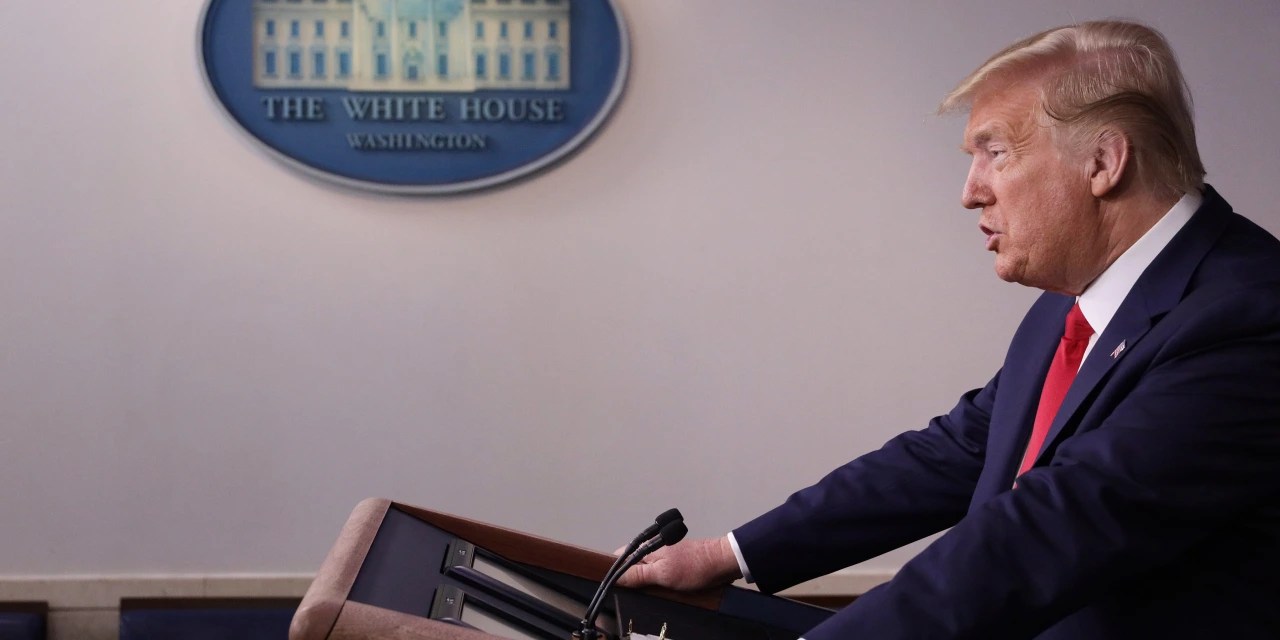
At its inception, Trump’s populism was reactive, born from the frustrations of the post-2008 economic recovery. By 2026, this strategy has shifted toward a proactive, issue-based populism. The “America First” agenda has been refined into a series of concrete legislative and executive priorities that resonate with the working class across racial and geographic lines. The strategy no longer relies solely on highlighting grievances; it now focuses on delivering a perceived economic restoration through protectionist trade policies and aggressive deregulation.
The mobilization effort has also undergone a technological overhaul. While rallies remain the cornerstone of his direct connection with voters, the 2026 strategy integrates hyper-targeted digital outreach. By utilizing advanced AI-driven sentiment analysis, the campaign identifies the specific anxieties of suburban, rural, and urban voters, tailoring messaging that feels deeply personal. This is not just about broader slogans; it is about micro-targeting specific local economic concerns, such as regional manufacturing trends or local infrastructure needs, creating a sense that the movement understands the individual voter better than any traditional political party.
Media Dominance and the Post-Truth Information Ecosystem

The Trump political strategy breakdown is incomplete without analyzing his mastery of the information ecosystem. By 2026, the traditional media landscape has further fractured, and the Trump campaign has fully transitioned to an omnichannel media strategy. Rather than seeking validation from legacy news outlets, the campaign functions as its own media entity. This involves the strategic use of decentralized social media platforms, influencer partnerships, and long-form podcast appearances to bypass editorial filters entirely.
This approach allows for narrative control that is nearly impenetrable to traditional fact-checking cycles. By releasing content directly to his base, Trump ensures that his supporters receive information framed through his own lens before mainstream outlets can provide context. Furthermore, the campaign has weaponized the “media bias” narrative to its advantage. Every critique from a mainstream outlet is repurposed as evidence of an entrenched establishment bias, which paradoxically strengthens the bond between the leader and his supporters. This cycle of conflict is not a side effect of his strategy; it is a primary engine of engagement.
The Institutionalization of Disruption
What was once viewed as chaotic disruption has, by 2026, been codified into a governance strategy. Trump’s political approach now emphasizes the dismantling of bureaucratic inertia. This is reflected in his focus on personnel and administrative reform. The strategy assumes that the “Deep State”—a term that has become central to the modern conservative lexicon—is a tangible barrier to policy implementation. Consequently, the 2026 strategy prioritizes the centralization of executive power and the appointment of loyalists throughout the federal apparatus.
This shift represents a departure from traditional Republican small-government conservatism. Instead, it embraces a strong-executive model that uses the full weight of the presidency to force change. Whether through aggressive use of executive orders or the reinterpretation of existing statutes, the goal is to bypass the legislative gridlock in Congress. This strategy appeals to a base that feels let down by decades of legislative stagnation and is eager to see immediate, tangible results regardless of institutional norms.
Demographic Realignment and the New Coalition
Perhaps the most significant development in the Trump political strategy breakdown for 2026 is the successful expansion of his coalition. The traditional view of the Republican base has been completely upended. Trump’s team has aggressively courted non-white working-class voters, particularly among Hispanic and Black men, by focusing on themes of economic opportunity, traditional cultural values, and a rejection of “woke” institutional politics. This is not merely rhetorical; it is a fundamental realignment of the electoral map.
Statistics from 2026 indicate that the campaign’s success in these demographic segments is rooted in a transnational identity politics that emphasizes shared economic interests over identity-based grievances. By positioning himself as a champion of “the common person” against a globalist elite, Trump has effectively stripped away the Democratic Party’s historical lock on these voting blocs. This realignment is supported by a data-centric approach that identifies voters who are culturally conservative but economically disenfranchised, proving that the Trump movement is as much about shifting the party’s demographic foundations as it is about personality.
The Role of Economic Nationalism
Economic policy remains the anchor of the Trump movement. By 2026, the strategy has moved beyond simple protectionism to a comprehensive doctrine of economic nationalism. This involves a focus on domestic supply chain sovereignty, aggressive tariffs to protect local industries, and a skepticism of international trade agreements that are perceived to prioritize global corporate interests over domestic wages. This policy framework is highly popular among the base and serves as a unifying platform that bridges the gap between different factions of the party.
The strategy also leverages the concept of “America First” energy independence. By promoting the expansion of fossil fuel production while framing renewable energy mandates as a foreign-influenced burden, the campaign creates a compelling narrative of national strength. This economic messaging is consistently reinforced through data-driven advertising that highlights the direct link between policy decisions and the cost of living, ensuring that the economic argument remains at the forefront of the voter’s mind during election cycles.
Future-Proofing the Movement
As we look toward the future, the Trump political strategy breakdown suggests a long-term plan for the continuation of his influence. This involves the cultivation of a new generation of political leaders who subscribe to the “Trumpian” philosophy. By endorsing candidates who mirror his rhetoric and policy positions, the movement ensures that the institutional changes he has initiated will persist long after his active political career concludes. This succession planning is a key component of his enduring legacy.
Furthermore, the movement has successfully integrated into the grassroots infrastructure of the Republican Party. From local school boards to state legislatures, the influence of Trump’s base is felt in the prioritization of cultural issues and the push for transparency in local governance. This bottom-up approach ensures that the movement remains vibrant and resistant to top-down efforts to steer the party back toward traditional, pre-2016 GOP orthodoxy.
Frequently Asked Questions
What are the core components of the Trump political strategy in 2026?
The strategy focuses on direct communication, economic nationalism, the institutionalization of disruption, and the aggressive pursuit of a multi-ethnic working-class coalition. It emphasizes bypassing traditional media to maintain narrative control and utilizes data-driven targeting to mobilize voters based on specific economic and cultural grievances.
How has the Trump movement managed to expand its demographic appeal?
The movement has expanded by shifting focus from traditional conservative identity politics to an economic nationalist platform that resonates with working-class voters across various racial and ethnic backgrounds. By prioritizing jobs, border security, and traditional cultural values, the campaign has successfully attracted voters who feel alienated by the current Democratic platform.
Is the “Trumpian” approach sustainable beyond his personal involvement?
By 2026, the strategy has become institutionalized through the endorsement of like-minded candidates and the permeation of his ideology into the local and state-level GOP infrastructure. This suggests that the movement is designed to survive as a political force through a new generation of leaders who continue to embrace his populist and nationalist framework.
How does the campaign use data to influence voter behavior?
The campaign employs advanced AI-driven sentiment analysis to identify the specific economic and cultural anxieties of voters. By micro-targeting these groups with tailored messaging, they can effectively mobilize supporters and persuade undecided voters, ensuring that every communication is optimized for maximum impact.
Conclusion
The Trump political strategy breakdown in 2026 reveals a movement that has successfully transitioned from a disruptive force into a permanent, influential political ecosystem. By mastering direct communication, embracing economic nationalism, and successfully realigning the demographic foundations of the electorate, the movement has fundamentally altered the American political landscape. Whether one views this development as a necessary correction or a threat to democratic norms, it is undeniable that the strategies employed by Donald Trump have become the primary template for modern political engagement. As the landscape continues to shift, the resilience and adaptability of these tactics will remain the central focus for political analysts and citizens alike.
Tags: Trump, Political Strategy, 2026 Politics, Populism, Election Analysis
Category: Political Analysis