
As the United States moves through the midpoint of 2026, the political discourse remains inextricably linked to the competing visions of Donald Trump and Joe Biden. The Trump vs Biden comparison 2026 serves as more than just a historical review; it is a live analysis of how two diametrically opposed governing philosophies continue to dictate the material reality of the American public. From the structural shifts in the labor market to the volatility of global trade, the echoes of the Biden administration’s legislative achievements and the immediate impacts of the second Trump term provide a stark contrast for voters and economists alike.
This comprehensive analysis examines the bifurcated path of the American economy, the evolving landscape of energy independence, and the long-term consequences of shifting foreign policy agendas. By evaluating the economic indicators of 2026 against the backdrops of both administrations, we can better understand the current trajectory of the nation.
The Economic Divergence: Growth, Debt, and Structural Reform

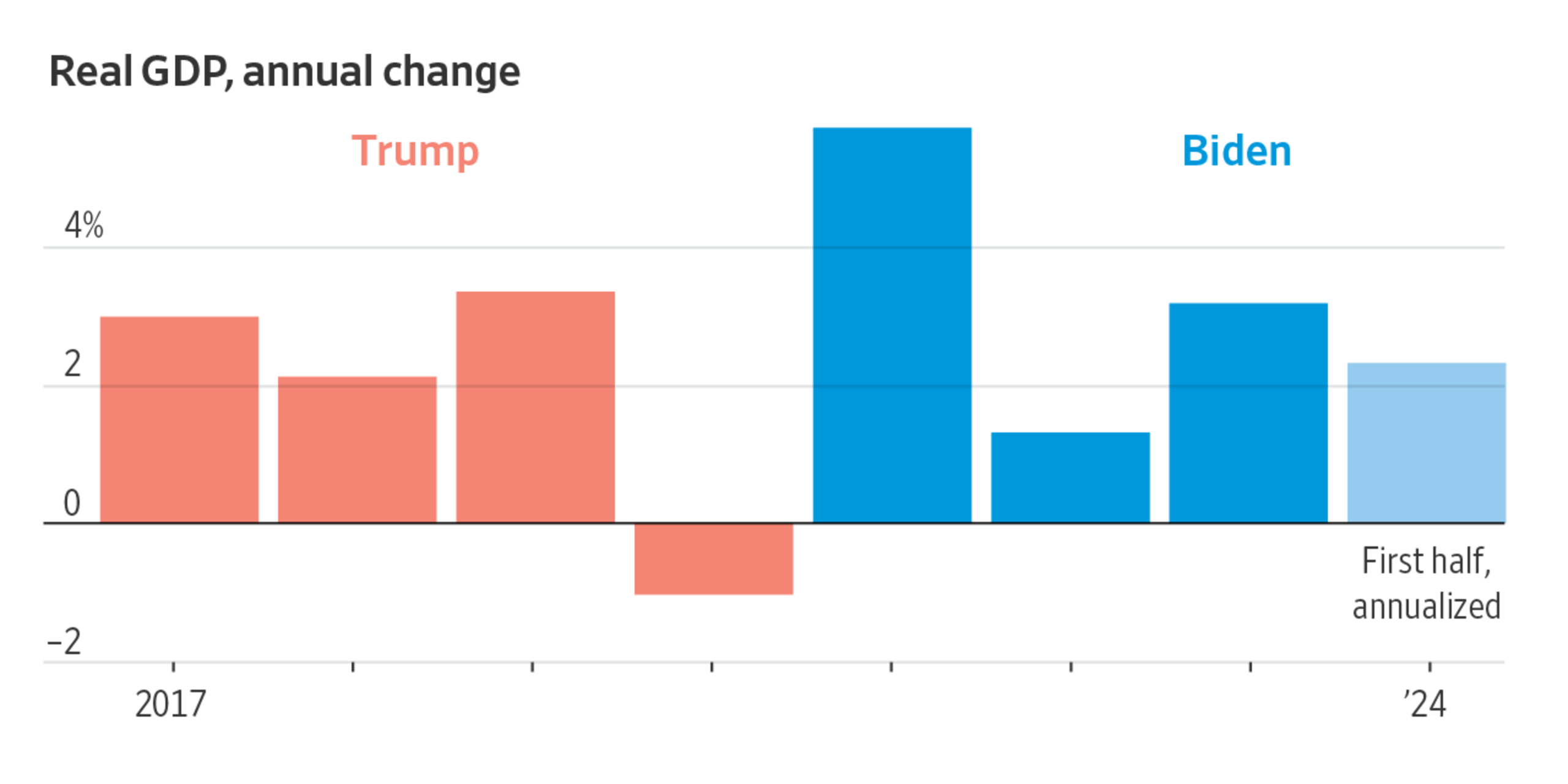
The economic narrative of 2026 is defined by a tug-of-war between the legacy of the Biden-era infrastructure investments and the current Trump administration’s deregulation-first approach. During the Biden years, the focus was heavily placed on the CHIPS and Science Act and the Inflation Reduction Act, which sought to re-shore manufacturing and incentivize green energy production. These policies were designed to create a “bottom-up” economic expansion, resulting in historically low unemployment rates by late 2024.
In contrast, the 2026 economic landscape under the current Trump administration has been marked by a pivot toward aggressive supply-side economics. While the administration points to a surging stock market as a primary indicator of success, critics highlight that GDP growth volatility has become a persistent feature. The 2026 fiscal year has seen a significant increase in the national deficit, driven by the extension of tax cuts and a reduction in federal oversight of the financial sector. Analysts are closely watching whether the current deregulation strategy can sustain long-term growth or if it will exacerbate the wealth gap that defined the pre-2020 era.
Inflation and the Global Trade War: The Tariff Impact
Perhaps the most significant point of friction in the Trump vs Biden comparison 2026 is the resurgence of inflation. The Biden administration spent its final year focusing on stabilizing supply chains and reducing the cost of essential goods through targeted legislation. By the end of 2024, the Consumer Price Index (CPI) had largely moderated, reflecting a return to normalcy following the post-pandemic spikes.
However, 2026 has introduced a new variable: the widespread implementation of universal baseline tariffs. The Trump administration’s trade policy, centered on protecting domestic industries, has had the unintended consequence of raising prices for everyday consumers. Economists argue that these tariffs function as a de facto consumption tax. As imports become more expensive, retailers are passing these costs directly to the end user. Consequently, while domestic manufacturing has seen a modest uptick in specific sectors, the cost of living index remains significantly higher than it was during the 2024 baseline, creating a persistent challenge for the middle class.
Energy Policy and the Price at the Pump
Energy remains a flashpoint in the Trump vs Biden comparison 2026. The Biden administration’s transition toward renewable energy, heavily supported by tax incentives for solar and wind, created a long-term roadmap for decarbonization. This was a central pillar of the “Biden Boom” narrative, which prioritized sustainable energy independence.
Conversely, the 2026 Trump administration has doubled down on the “Drill, Baby, Drill” strategy. By opening protected federal lands to new drilling permits and rolling back environmental regulations, the administration aimed to lower energy costs by flooding the market with domestic oil and natural gas. Yet, the reality of 2026 has been more complex. Despite the increase in permits, global market fluctuations and geopolitical instability in oil-producing regions have kept gas prices volatile. The failure of increased domestic production to significantly lower prices at the pump suggests that the global energy market is far more interconnected than political slogans imply.
Foreign Policy: Isolationism vs. Alliance Building
The differences between the two administrations are perhaps nowhere more visible than in their approach to international relations. The Biden administration emphasized multilateralism and alliance building, viewing the strengthening of NATO and regional pacts in the Indo-Pacific as the primary deterrent against global adversaries. His approach was defined by a commitment to collective security and the promotion of democratic values.
The Trump administration, meanwhile, has returned to an “America First” foreign policy. In 2026, this has manifested as a transactional approach to international trade and security. By questioning the efficacy of existing alliances and threatening to withdraw from certain international treaties, the administration has created a climate of uncertainty for global markets. Investors are increasingly wary of the geopolitical risk premium attached to these policies, which has contributed to the erratic behavior of the U.S. dollar and international bond markets throughout the year.
The Labor Market: Automation and Worker Rights
A critical, often overlooked aspect of the Trump vs Biden comparison 2026 is the state of the American workforce. Under Biden, the focus was on strengthening labor unions and wage growth for lower-income workers. The labor force participation rate remained a key metric of success, and the administration touted the creation of millions of new jobs in the construction and tech sectors.
In 2026, the labor market is undergoing a transformation driven by the rapid adoption of Artificial Intelligence (AI) and automation. The current Trump administration has opted for a “hands-off” approach, encouraging private sector innovation without the burden of federal labor regulations. While this has accelerated technological adoption, it has also led to concerns regarding wage stagnation in sectors vulnerable to automation. The divergence is clear: Biden’s policy was built on the protection of the worker, whereas the current strategy is built on the acceleration of the employer’s efficiency.
Healthcare and the Cost of Care
The debate over healthcare continues to separate the two visions. The Biden legacy is anchored by the strengthening of the Affordable Care Act (ACA) and the successful negotiation of lower prescription drug prices for Medicare beneficiaries. These policies provided a safety net that many Americans rely on to manage chronic conditions.
In 2026, the Trump administration has sought to decentralize healthcare, pushing for competition-based models and the reduction of federal mandates. While supporters argue that this gives patients more choice, critics point to the potential for increased premiums and the erosion of coverage for those with pre-existing conditions. The 2026 landscape shows a growing divide between those who believe the government should guarantee healthcare access and those who believe the market is the most efficient arbiter of cost and quality.
Frequently Asked Questions (FAQ)
How has the 2026 economic environment changed compared to the 2024 landscape?
The 2026 economy is marked by higher volatility and the inflationary pressure of new tariffs, whereas 2024 was defined by the stabilization of post-pandemic inflation and steady GDP growth supported by the legislative packages of the Biden era.
What is the primary difference in trade policy between the two administrations?
Biden focused on strategic alliances and targeted supply chain resilience, whereas the Trump administration in 2026 has adopted a broad, aggressive tariff strategy intended to force the return of manufacturing to the United States, regardless of the immediate impact on consumer prices.
How do energy policies in 2026 affect the average American voter?
While the Trump administration’s focus on deregulation and fossil fuel expansion aims to increase supply, global market conditions have kept gas prices high and volatile. Meanwhile, the Biden-era focus on renewables continues to influence the long-term energy infrastructure, though its immediate impact on fuel prices remains limited.
What are the long-term implications of the current fiscal deficit?
The rising deficit in 2026, driven by tax policy and spending, is a major concern for economists. It threatens to increase interest rates and limit the government’s ability to respond to future economic crises, a contrast to the fiscal consolidation efforts attempted during the tail end of the Biden administration.
Conclusion: The Future of American Governance
The Trump vs Biden comparison 2026 highlights the reality that American policy is in a state of constant flux. The Biden era left behind a framework of government-led investment and social protection that remains a reference point for many, while the current Trump administration is actively dismantling and replacing those pillars with market-driven, nationalist policies. As the nation approaches the next election cycle, the choice for voters will be between the stability and protectionism of the past and the aggressive, deregulated volatility of the present. Understanding these differences is essential for navigating the complex economic and social reality of 2026 and beyond.
Tags: Trump vs Biden 2026, US Economy 2026, Political Analysis, Inflation and Tariffs, American Policy Comparison
Category: Politics and Economics